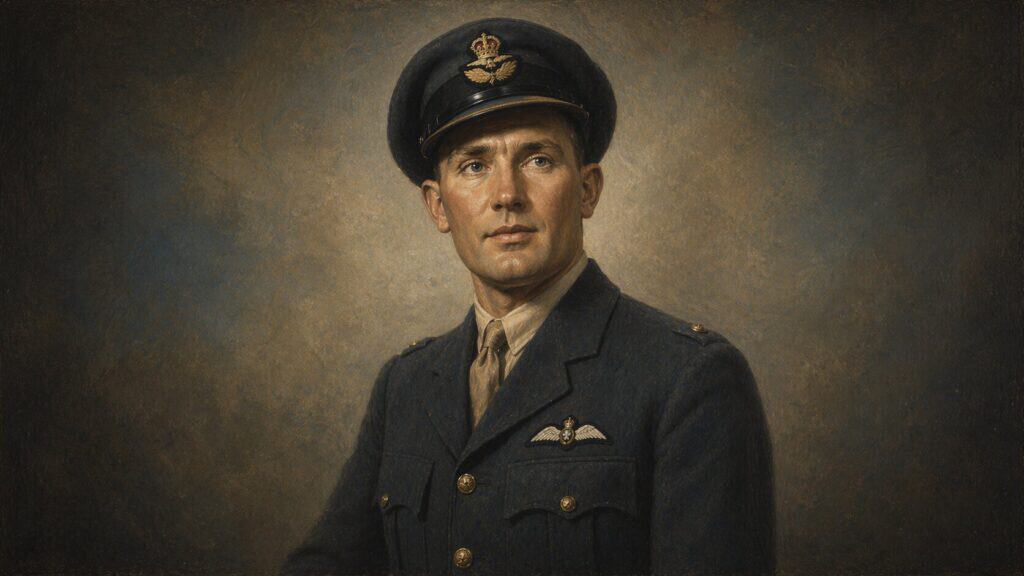


RAF Aircraft Safety Systems and Crew Protection in Service
How RAF aircraft safety systems improved crew survival through restraint, oxygen, warning, fire protection and ejection-seat design.
22 May 2026 · 3 min readOn This Day, 1988: Sheila Scott died on 20 October 1988, leaving a legacy of solo world flights, polar exploration and record-breaking…
Read the entry →From the Berlin Airlift to the Falklands, from V-bombers on four-minute alert to the Tornado over the Iraqi desert, four decades of nuclear deterrence, technological transformation and the occasional hot war in unexpected places.
The Cold War RAF was defined above all by the nuclear deterrent. From 1955, the V-bombers — Valiant, Victor and Vulcan — stood at four-minute readiness, their crews trained to respond to a Soviet attack within minutes. For thirty years, the threat of mutual assured destruction was the RAF's primary strategic purpose, even as it continued to fight conventional wars in Malaya, Korea, Suez, Aden and the Falklands.
Technology transformed the service beyond recognition. The piston engine gave way to the jet. Supersonic flight became routine. Guided missiles replaced guns and iron bombs as the primary weapons. The aircraft that entered service at the end of the Cold War — the Tornado, the Nimrod, the Buccaneer — were as different from the Spitfire as the Spitfire had been from the Sopwith Camel.
"The bomber will always get through." — Stanley Baldwin, 1932
The Falklands campaign of 1982 tested the Cold War RAF in a conventional conflict it had not anticipated. Long-range bombing missions, air defence over contested territory, maritime patrol and close support — in ten weeks, the service demonstrated a flexibility that the theorists of nuclear deterrence had sometimes doubted it retained. It was a timely reminder that the RAF remained a fighting service, not merely a nuclear delivery system.
How the RAF supported Operation Grapple through V-bomber delivery, cloud sampling and Pacific infrastructure during Britain’s H-bomb tests.
How the RAF supported Operation Corporate through Vulcan raids, Victor tanker missions and later tactical air operations in…
How the RAF’s Operation Plainfare helped sustain West Berlin during the Soviet blockade, flying food, coal and vital…
How the RAF supported Operation Musketeer through transport flying, strike operations and airborne assault during the Suez Crisis.
How RAF aircraft safety systems improved crew survival through restraint, oxygen, warning, fire protection and ejection-seat design.
22 May 2026 · 3 min readHow RAF air power moved from wartime bombing doctrine to the V-Force and Britain’s early nuclear deterrent.
8 September 2026 · 2 min readA deep RAF history of the 1956 Suez Crisis, from planning and air strikes to the political collapse…
20 August 2026 · 18 min readRAF history, delivered weekly. New long reads, On This Day entries and archive updates. Free, always.