RFC Monoplane Ban Shapes Early Military Aviation Policy
On 12 September 1912, the War Office banned RFC pilots from flying monoplanes, showing how safety and institutional caution shaped early military aviation.
On This Day, 2023: On 9 November 2023, the RAF reported the Dutch-led recovery of Lancaster ED603 from the IJsselmeer, with aircrew…
Read the entry →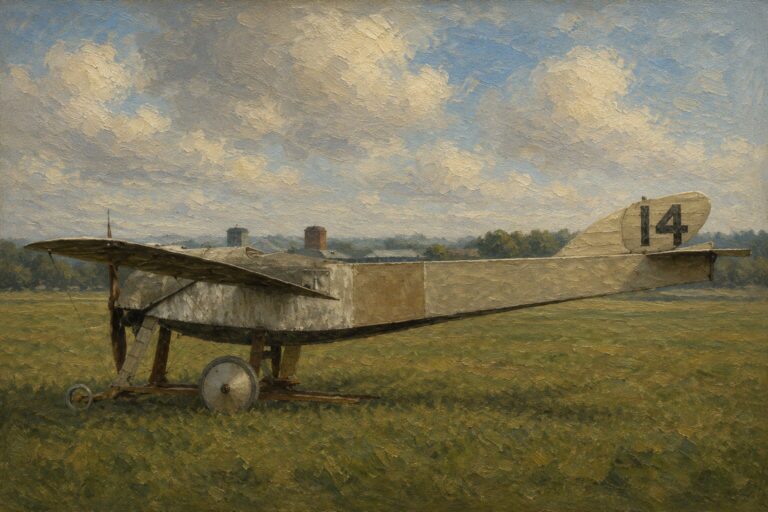
On 12 September 1912, the War Office banned RFC pilots from flying monoplanes, showing how safety and institutional caution shaped early military aviation.
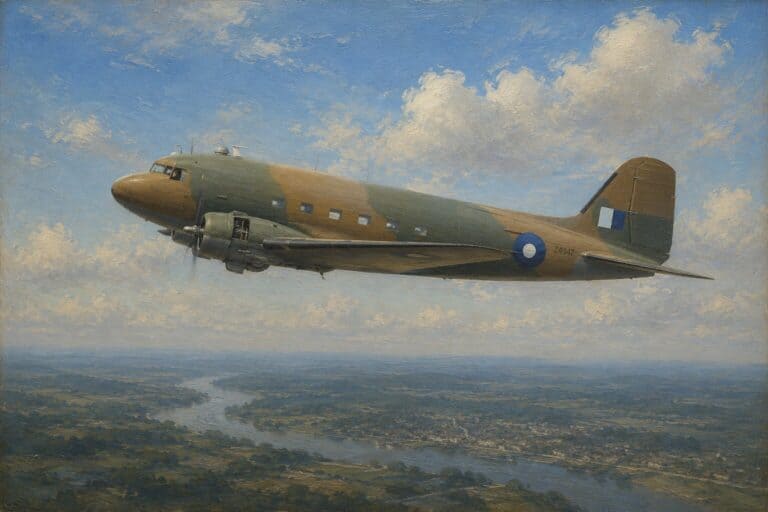
On 11 September 1945, RAF Dakotas began the Saigon airlift, showing how quickly transport aircraft were drawn into the unsettled aftermath of Japan’s surrender.
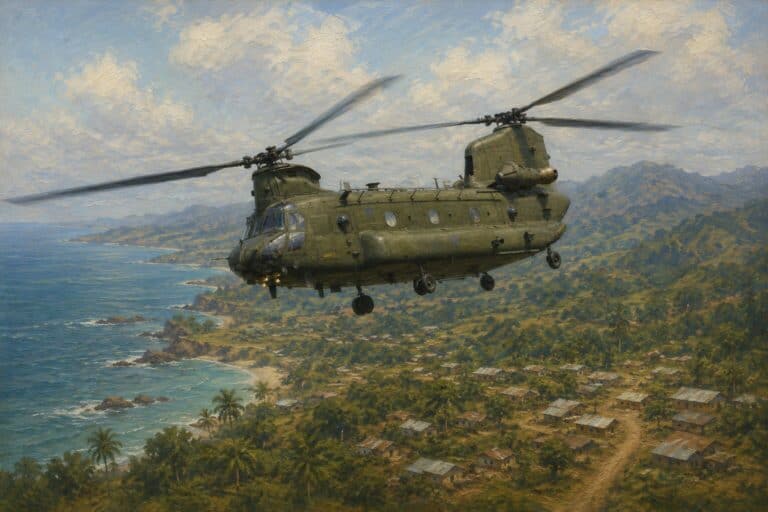
On 10 September 2000, RAF Chinooks supported the rescue mission in Sierra Leone, showing the value of rotary-wing mobility in modern expeditionary warfare.

On 9 September 1956, Vulcan XA897 departed for Australia, demonstrating the range, prestige and political purpose of RAF strategic air power.
How RAF air power moved from wartime bombing doctrine to the V-Force and Britain’s early nuclear deterrent.
On 8 September 1944, the first V-2 struck London at Chiswick, beginning a new phase of bombardment with no warning and no direct defence.
On 7 September 1941, Hurricanes flew from HMS Argus to Vaenga, reinforcing the Soviet north and helping protect Murmansk and the Arctic route.
On 6 September 1939, the Battle of Barking Creek exposed dangerous confusion in Britain’s new air-defence system and cost Pilot Officer Hulton-Harrop his life.
On 5 September 1940, Bromide jamming was used operationally against German navigation beams, marking the practical beginning of British electronic warfare.
On 4 September 1939, Sergeant George Booth was captured after being shot down, becoming the first British prisoner of war of the new conflict.