The RAF in the Desert Air War and North African Campaign
How the RAF fought the desert air war in North Africa from 1940 to 1943, as Coningham’s Western Desert Air Force won air superiority and supported the Eighth Army from El Alamein to Tunis.
On This Day, 2023: On 9 November 2023, the RAF reported the Dutch-led recovery of Lancaster ED603 from the IJsselmeer, with aircrew…
Read the entry →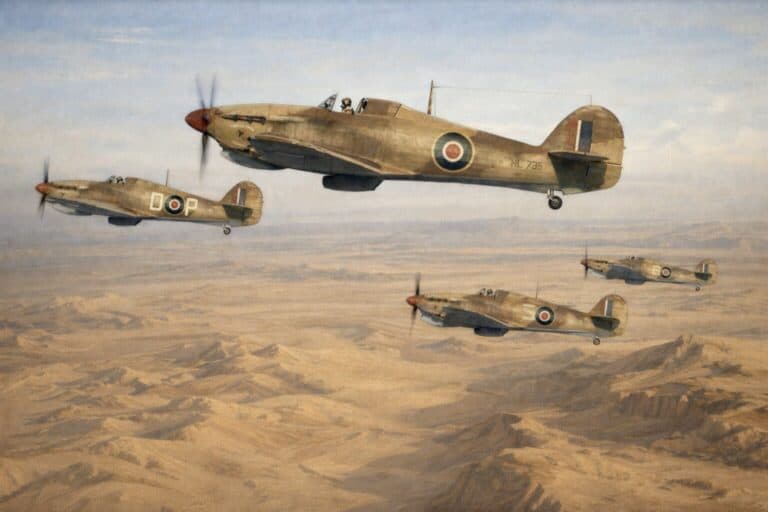
How the RAF fought the desert air war in North Africa from 1940 to 1943, as Coningham’s Western Desert Air Force won air superiority and supported the Eighth Army from El Alamein to Tunis.
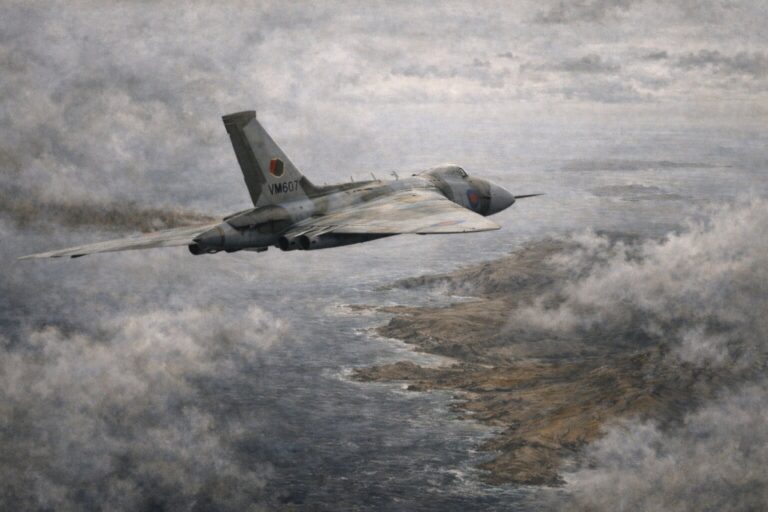
Black Buck 1: Vulcan XM607’s record-range 1982 strike on Port Stanley opened the RAF offensive phase of the Falklands air campaign.
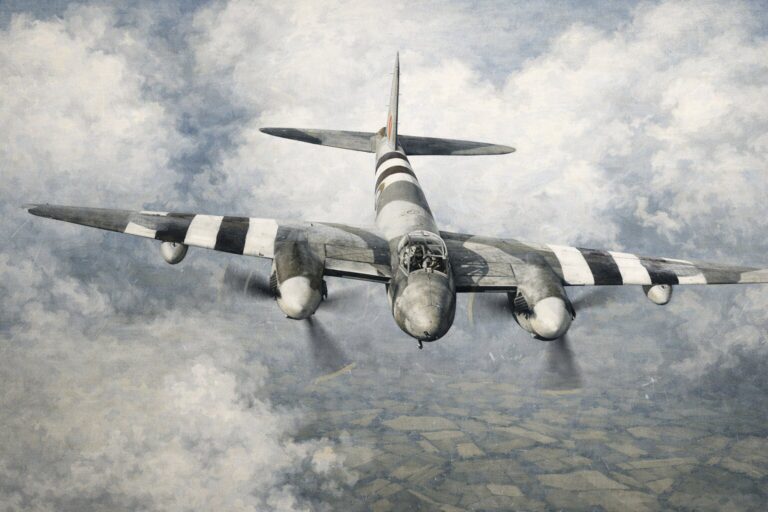
What the RAF did on D-Day, 6 June 1944: bombing the coastal batteries, carrying the 6th Airborne Division, the Taxable and Glimmer deceptions, and air superiority over the beaches.

How the RAF flew Operation Plainfare in the Berlin Airlift of 1948 to 1949: Dakotas, Yorks, Hastings and Sunderlands, 541,937 tons delivered, and what it cost.
The arrival of RAF Vulcans at Ascension in 1982 set the stage for the long-range bomber operations of the Falklands campaign.
How RAF losses in war included combat, training and hidden attrition, shaping policy, doctrine and the conduct of air operations.
Falklands exclusion zone: Britain’s 1982 warning to Buenos Aires over a Falklands no-fly area marked a key shift from crisis to active campaign enforcement.
How RAF aircrew training expanded from pre-war limits into a vast wartime system that sustained front-line operations across the Commonwealth.
How RAF bombing strategy evolved from costly daylight raids to a sustained night offensive shaped by loss rates, navigation technology and doctrine.
RAF drones from the Queen Bee target drone to the MQ-9 Reaper over Afghanistan, the Protector RG1 and StormShroud, the radar-jamming drone that protects F-35s and Typhoons.