Air Power and Empire: How the RAF Policed Britain’s Frontiers
A long read on how the RAF used air control to police Britain’s imperial frontiers, and why economy, coercion and limits all mattered.
On This Day, 2023: On 9 November 2023, the RAF reported the Dutch-led recovery of Lancaster ED603 from the IJsselmeer, with aircrew…
Read the entry →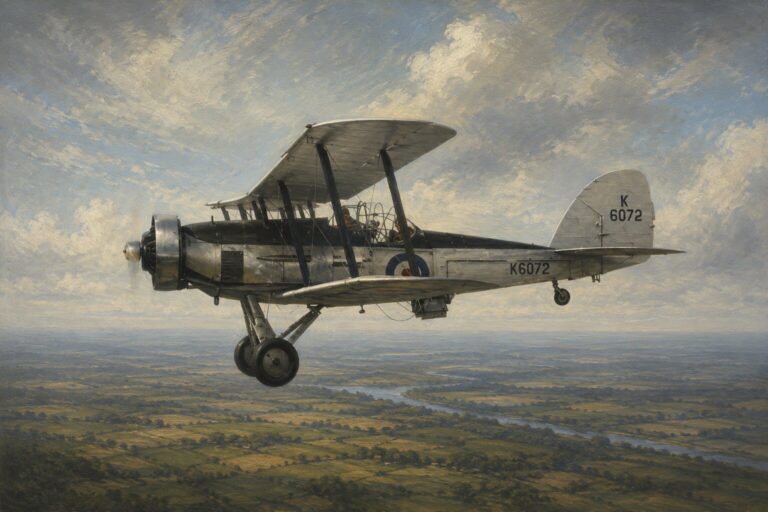
A long read on how the RAF used air control to police Britain’s imperial frontiers, and why economy, coercion and limits all mattered.
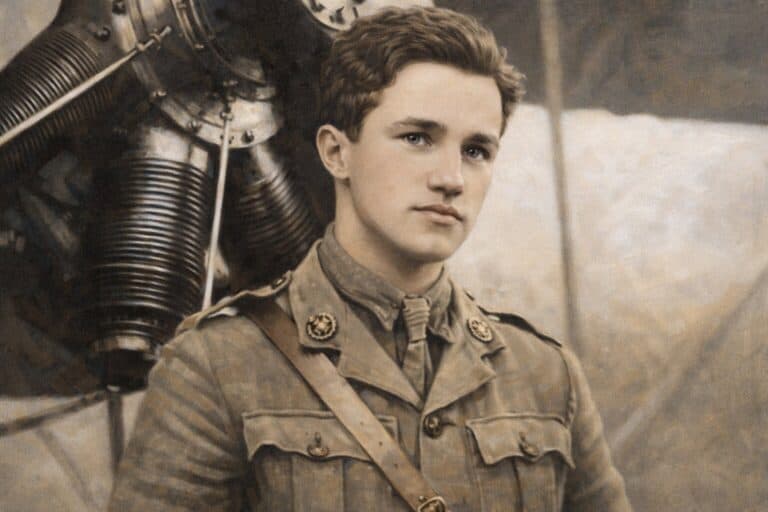
On this day in 1917, Captain Albert Ball was posted missing after combat over the Western Front, marking the loss of one of Britain’s best-known airmen.
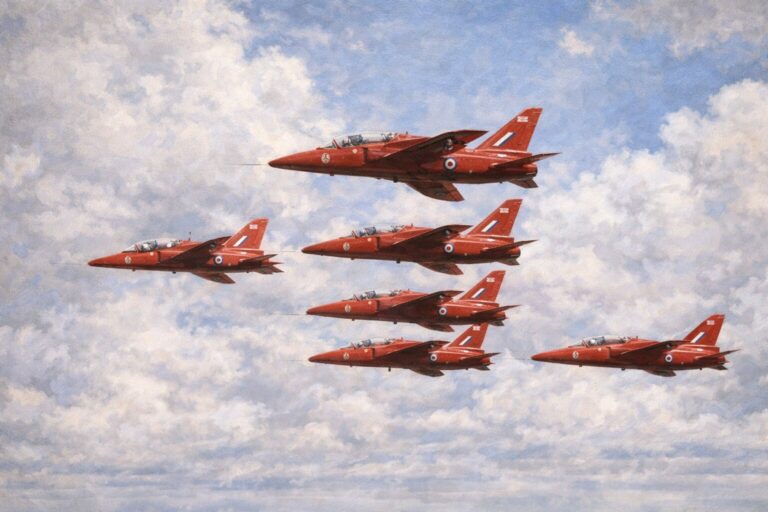
On 6 May 1965, the Red Arrows gave their first official display at RAF Little Rissington, launching the RAF’s now famous aerobatic team.

Pink’s War, 9 March to 1 May 1925: the RAF’s first independent air campaign, flown by 5, 27 and 60 Squadrons against the Mahsud in South Waziristan, and what it showed about air control.
On this day, RAF Canberra units in Germany gained an atomic strike role, placing 2TAF on the nuclear front line of the Cold War.
RAF transport aircraft flew evacuation missions in Iraq in 1924, showing the growing value of air mobility in threatened frontier posts.
Squadron Leader Leonard Trent won the Victoria Cross after pressing home the 1943 Amsterdam power station attack under heavy fighter opposition.
Sea Skua attacks in the South Atlantic on 2 May 1982 sank Comodoro Somellera and damaged Alferez Sobral during the Falklands war.
The 1925 peace approach by Mahsud tribesmen ended Pink’s War and underscored the RAF’s inter-war reliance on frontier air control.
How RAF aircraft engines developed from the Merlin and Hercules to Whittle’s jet, the Avon, Pegasus, RB199 and EJ200, and why power, cooling and reliability decided what aircraft could do.