RAF Harrier and Tornado Units Return Home from Iraq
Harrier and Tornado detachments returned to the UK after operations, while a smaller Harrier element stayed forward for continued tasks.
On This Day, 2023: On 9 November 2023, the RAF reported the Dutch-led recovery of Lancaster ED603 from the IJsselmeer, with aircrew…
Read the entry →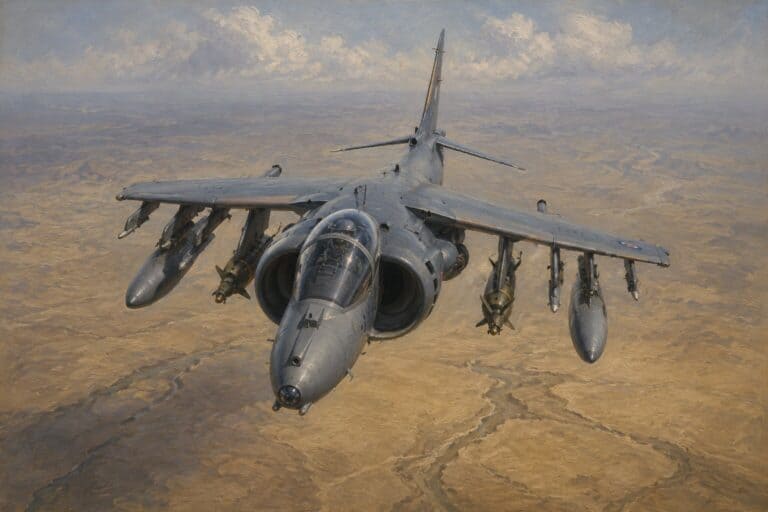
Harrier and Tornado detachments returned to the UK after operations, while a smaller Harrier element stayed forward for continued tasks.
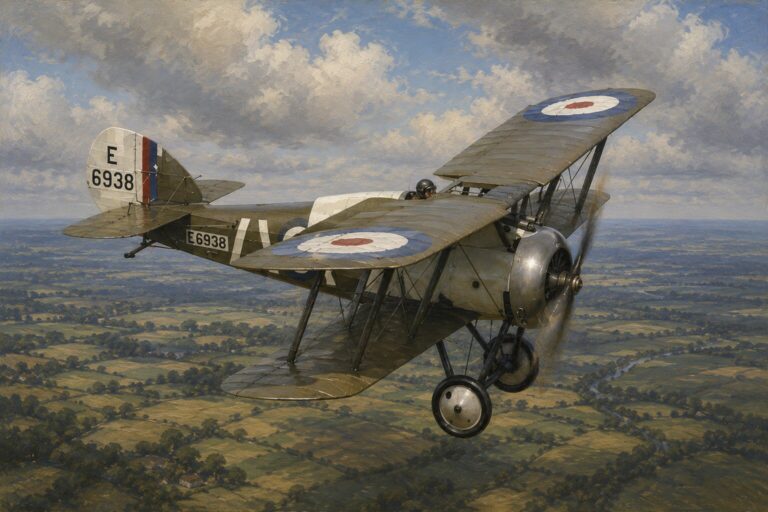
The death of Andrew Beauchamp-Proctor VC showed that flying remained dangerous even after the First World War had ended.
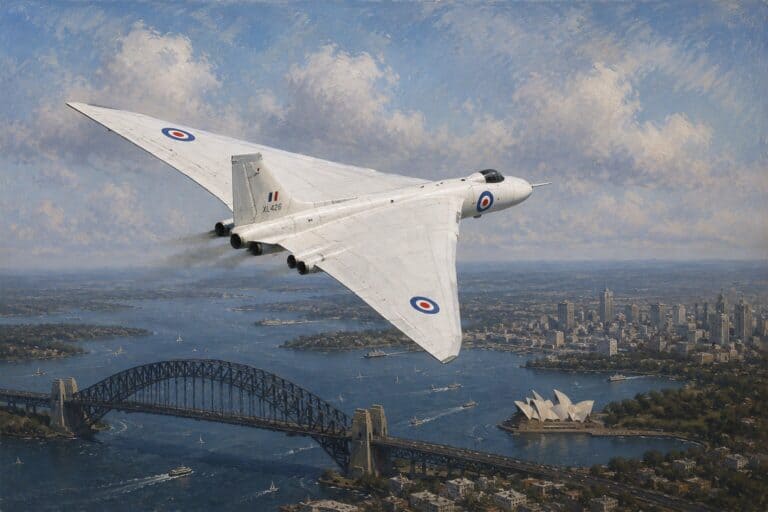
No. 617 Squadron flew a Vulcan non-stop from Britain to Australia, showing the reach, planning and discipline behind the V-force.

The creation of the Air Committee marked an early attempt to coordinate British military aviation as air power began to outgrow old structures.
A long read on how range, weather and weak basing limited RAF operations in Norway during the German campaign of 1940.
Churchill told Parliament that the Battle of France was over and the Battle of Britain was about to begin, framing the struggle ahead.
On 17 June 1926, Eric Pentland made the RAF’s first emergency parachute escape, marking a key shift in interwar flying safety.
How Bomber Command went from the 1,047-bomber Cologne raid of May 1942 to the Battle of the Ruhr in 1943, with Oboe, the Pathfinders, the Dams raid and 652 aircraft lost.
On 16 June 1940, the RAF’s radio counter-measures effort began taking organised form through specialist interception work and radar-led defence.
On 15 June 1943, No. 529 Squadron formed at Halton as the RAF’s first autogiro unit, supporting radar calibration and air defence.