Berlin Airlift: RAF Air Mobility and Cold War Resolve
Why the Soviet Union blockaded Berlin in June 1948, why Britain and the US chose an airlift, and how the crisis brought SAC bombers to Britain and helped create NATO.
On This Day, 2023: On 9 November 2023, the RAF reported the Dutch-led recovery of Lancaster ED603 from the IJsselmeer, with aircrew…
Read the entry →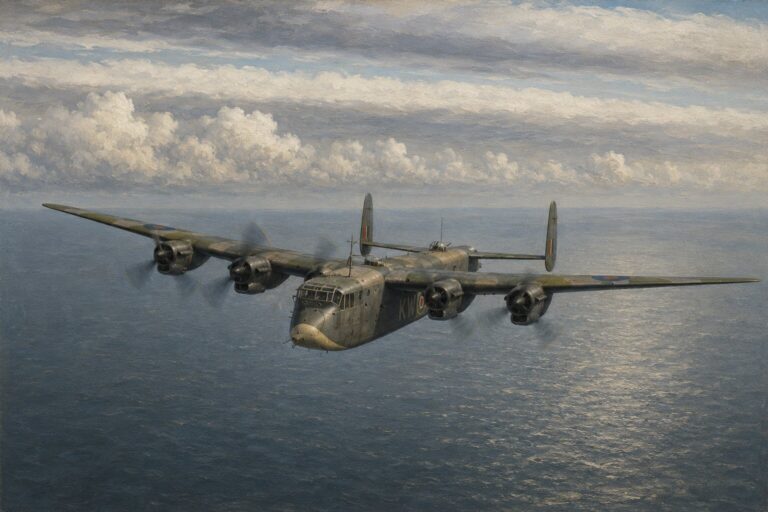
Why the Soviet Union blockaded Berlin in June 1948, why Britain and the US chose an airlift, and how the crisis brought SAC bombers to Britain and helped create NATO.
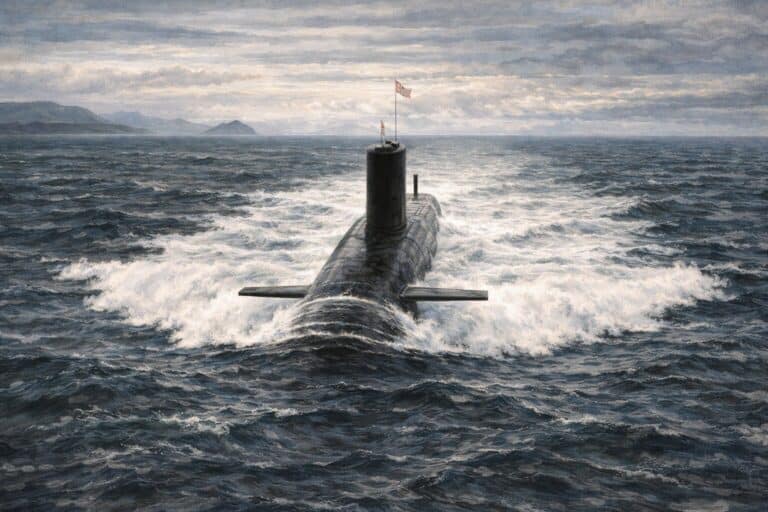
On 30 June 1969 the RAF’s V-force left the strategic deterrent role as Royal Navy Polaris submarines assumed Britain’s nuclear mission.
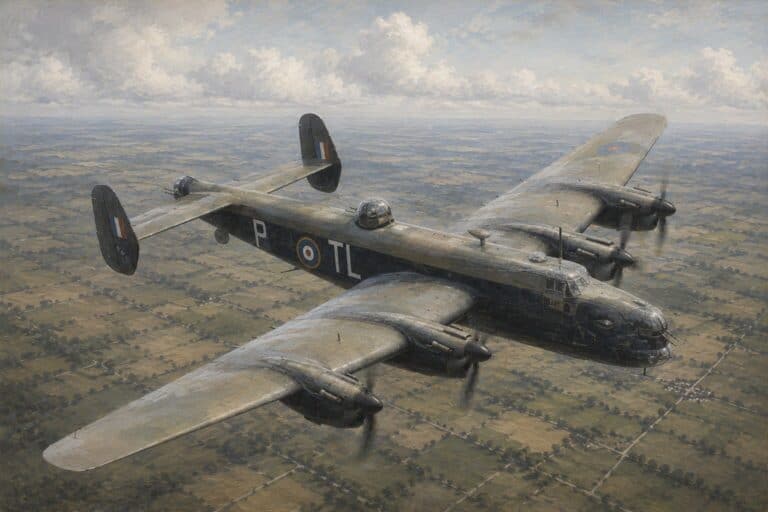
On 29 June 1943, Halifax HR837 survived a falling Allied bomb over Cologne and was flown safely back to RAF Lissett by Sgt Douglas Cameron.

On 28 June 1952, No. 78 Wing RAAF reached Luqa with Vampire FB.9 fighters, reinforcing Commonwealth air defence in the Mediterranean.
On 27 June 1995, No. 84 Squadron Wessex helicopters dropped 80,000 gallons of water while helping fight Cyprus’s worst fire in 100 years.
On 26 June 1948 the RAF launched Operation Plainfare, helping sustain West Berlin by air in one of the defining crises of the Cold War.
As the Korean War began on 25 June 1950, RAF Sunderland flying boats at Iwakuni entered blockade and patrol duties under US control.
Flight Lieutenant David Hornell sank U-1225 on 24 June 1944, then fought to save his crew after ditching in the North Atlantic.
How the RAF fought the V-1 flying bomb in 1944 under Operation Diver: Tempests, Spitfire XIVs and Meteors, wingtip tipping, and the move of the guns to the coast.
A Spitfire pilot brought down a V-1 by tipping it over with a wing, proving a dangerous technique that became part of anti-V-1 defence.