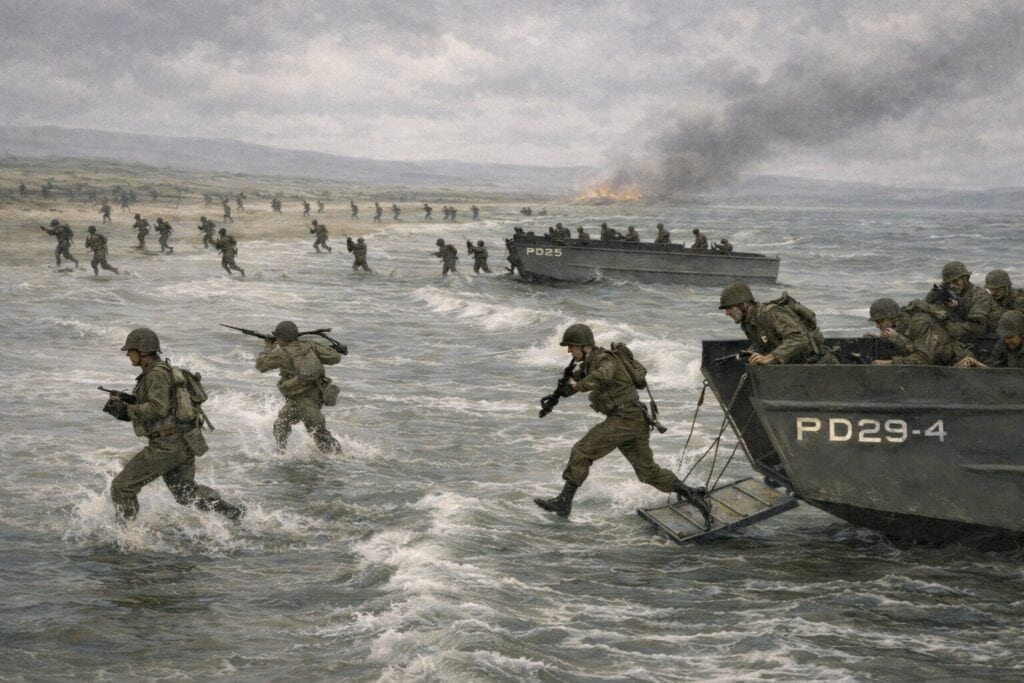
Operation Torch was the Anglo-American landing in French North Africa in November 1942, marking the opening of a major new Allied offensive in the western Mediterranean. For the RAF, the operation was not an isolated air episode but part of a broader evolution in desert and Mediterranean air warfare. By late 1942, British air forces in North Africa had moved beyond the weaknesses of the earlier desert campaigns. They had developed a more effective system of command, support and air-ground coordination.
Air support was central to Torch from the outset. Allied aircraft had to protect convoys, support the landings, help secure airfields and contribute to the wider struggle for air superiority over Algeria and Tunisia. In this respect, Torch formed part of the transition from hard-fought desert adaptation to a broader Allied offensive system in North Africa.
Strategic Context and Air Power Before the Landings
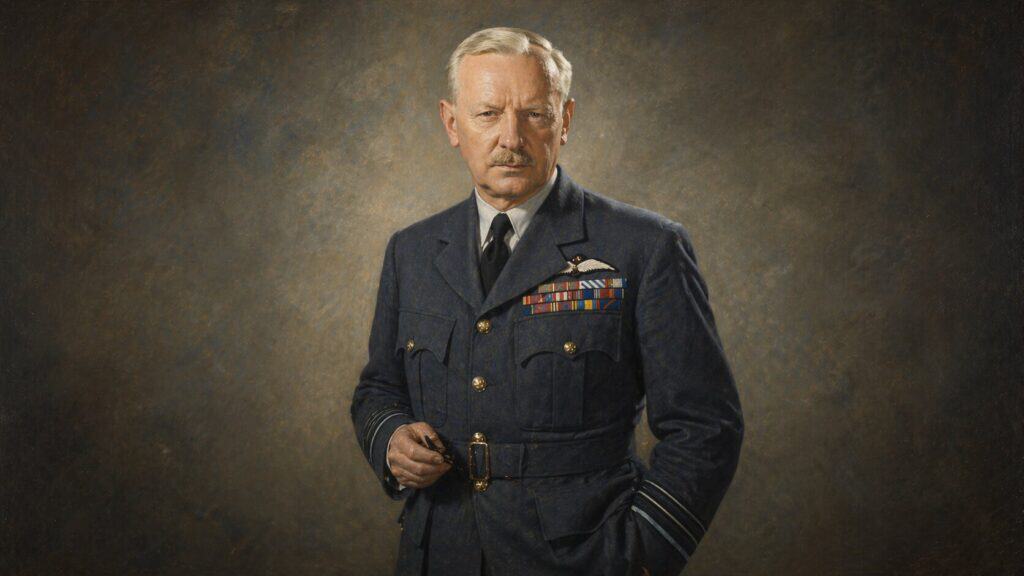
Early RAF operations in the desert in 1940 and 1941 had been marked by limited strength, difficult logistics and aircraft that were often inferior to German and Italian opponents. These weaknesses encouraged organisational reform. Under Air Marshal Arthur Tedder and Air Vice-Marshal Arthur Coningham, the Western Desert Air Force developed a more coherent system of command closely linked to the needs of the army.
This structure emphasised mobility, close liaison with ground commanders and flexible control of squadrons. By the time of the later North African battles, particularly El Alamein, the RAF and Commonwealth air forces in the theatre had become much more effective instruments of support and interdiction. Torch planning drew upon these lessons.
The landings in Algeria and Morocco were intended to place Allied power in French North Africa while the Eighth Army continued to press from the east. Airfields would be critical to the success of this strategy. Without them, fighter cover and offensive air activity could not be brought forward quickly enough to sustain the advance into Tunisia.
Airborne Seizure Of Airfields
A distinctive element of Torch air support was the use of transport aircraft to deliver airborne troops against airfields and other important objectives. C-47 Dakota aircraft carried British parachute forces in attempts to secure forward aerodromes such as Bône, Depienne and Souk el Arba.
These operations reflected the practical importance of airfields in the campaign. A captured aerodrome offered immediate operational value by allowing aircraft to move forward, reducing transit time and increasing persistence over the battlefield. Yet the airborne assaults also revealed the dangers of this method. Navigation difficulties, interception, and anti-aircraft fire disrupted some missions, and not all objectives were secured as planned.
Even so, the successful capture and use of certain forward airfields helped the Allies establish the aviation infrastructure required for the next stage of the campaign. This was one of the clearest ways in which air transport and airborne doctrine fed directly into the operational development of Torch.
Axis Air Opposition and the Contest for Tunisia
Axis forces reacted quickly to the landings by reinforcing Tunisia. German transport aircraft and combat units moved into the theatre with speed, and ports and airfields in Algeria came under repeated attack. Places such as Bône and Algiers experienced raids that demonstrated the continued operational capability of German and Italian air forces during the early phase of the campaign.
These attacks placed strain on port operations, shipping, and the newly developing Allied airfield network. Yet the strategic position increasingly favoured the Allies. As more aircraft were brought forward and the western and eastern Allied air efforts converged, Axis freedom of action narrowed.
Operation Torch air support became part of a larger struggle for the air over Tunisia. It was not merely a matter of covering the initial landings; it was also the process by which the Allies established the basis for sustained pressure on Axis forces in North Africa.
Establishing Air Superiority
As the campaign moved into Tunisia, Allied air forces grew in strength and effectiveness. Aircraft operating from newly secured airfields in Algeria and from the east placed Axis forces under increasing strain. Light bombers, fighters and fighter-bombers attacked transport links, troop concentrations and supply routes, while growing Allied control of the air restricted Axis movement and reinforcement.
This process helped shape the final campaign in Tunisia. Air power attacked the enemy’s operational depth, reduced the effectiveness of movement and resupply, and supported the advance of Allied ground forces. By spring 1943, the Allies had secured effective command of the air, and this contributed directly to the final collapse of Axis resistance in North Africa.
Historical Significance
Operation Torch is important in RAF history because it demonstrates the application of desert air-war experience to a larger amphibious and continental operation. It shows how reforms in command structure, air-ground cooperation and forward deployment altered the practical effectiveness of Allied air power by late 1942.
It also illustrates the importance of airfields, transport aircraft, and airborne operations within a campaign in which control of the air had to be both created and exploited. Torch belongs not only to the history of the landings themselves, but to the wider story of how Allied air power became decisive in North Africa.
Conclusion
Operation Torch air support formed a central part of the Allied landings in North Africa and the subsequent drive into Tunisia. Drawing on the organisational reforms and operational experience of the desert war, RAF and Commonwealth air forces helped protect the landings, support the airborne seizure of forward airfields and sustain the growing Allied contest for air superiority.
The operation remains significant as a stage in the development of coordinated Allied air power in the Mediterranean, linking the hard lessons of the early desert war to the eventual defeat of Axis forces in North Africa.