How the Dowding System Worked in Britain’s Air Defence
How the Dowding system linked radar, observers, plotting rooms and fighter control to direct RAF interceptions during the Battle of Britain.
On This Day, 2023: On 9 November 2023, the RAF reported the Dutch-led recovery of Lancaster ED603 from the IJsselmeer, with aircrew…
Read the entry →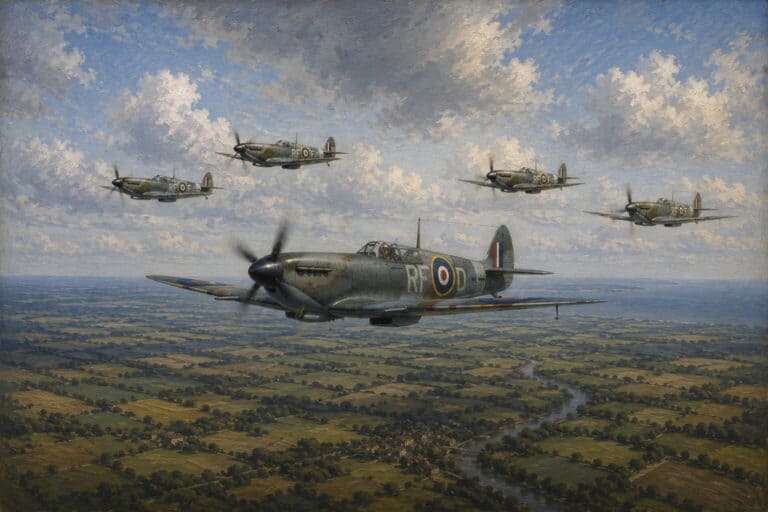
How the Dowding system linked radar, observers, plotting rooms and fighter control to direct RAF interceptions during the Battle of Britain.
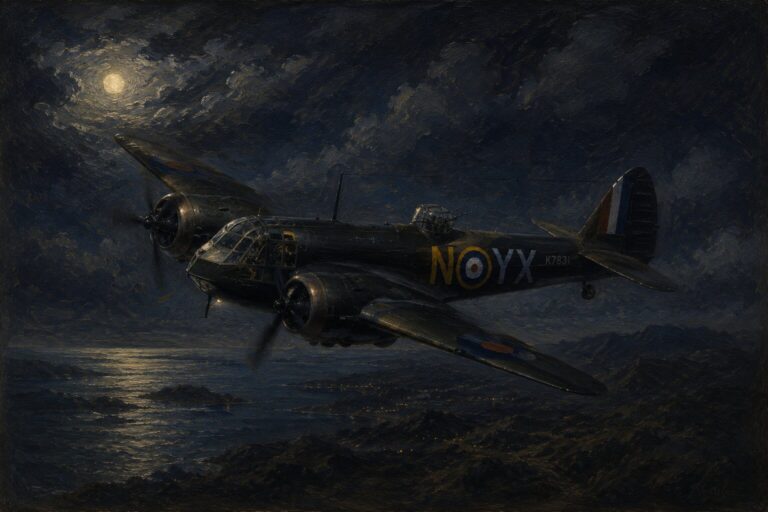
On 6 October 1940, the Battle of Britain entered its final phase as Luftwaffe attacks shifted from daylight assault to night bombing.
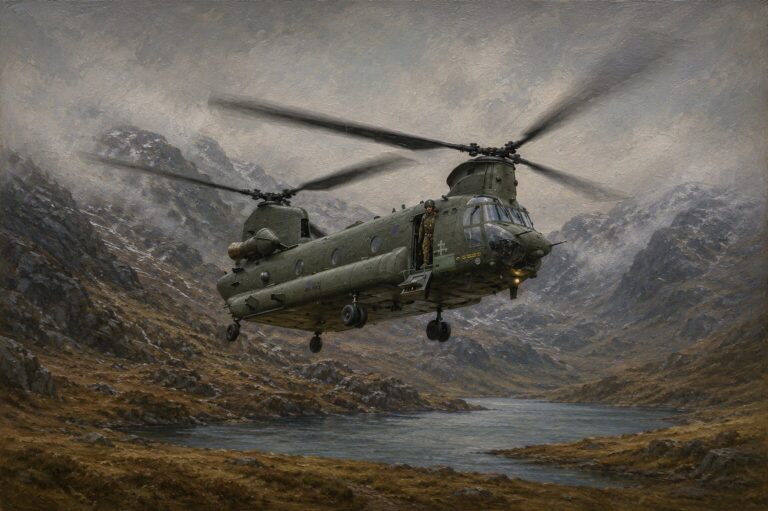
On 5 October 1999, Joint Helicopter Command was created at Wilton to unify Britain’s battlefield helicopter capability in one tri-service structure.

On 4 October 1948, 10 Squadron reformed at RAF Oakington for the Berlin Airlift, later flying from RAF Lübeck to help sustain West Berlin.
The RAF’s final Cod War sortie on 3 October 1973 marked the end of Britain’s aerial fishery-protection role as talks with Iceland continued.
On 2 October 1917, three Sopwith Pups raided German airfields in Belgium at night, showing how fighter bombing tactics were evolving.
From Southampton cruises to Sunderland patrols, Berlin and Korea, explore why RAF flying boats gave way to land-based maritime aircraft.
On 1 October 1956, Vulcan XA897 crashed near Heathrow, killing four crew and exposing the hazards of the RAF’s early V-force service.
By 30 September 1918, Allied air power was helping breach the Hindenburg Line through reconnaissance, artillery support and attacks on movement.
What military aircraft did in 1914: how the RFC flew to France, found German columns before Mons and the Marne, and first tried aerial photography, wireless and machine guns.