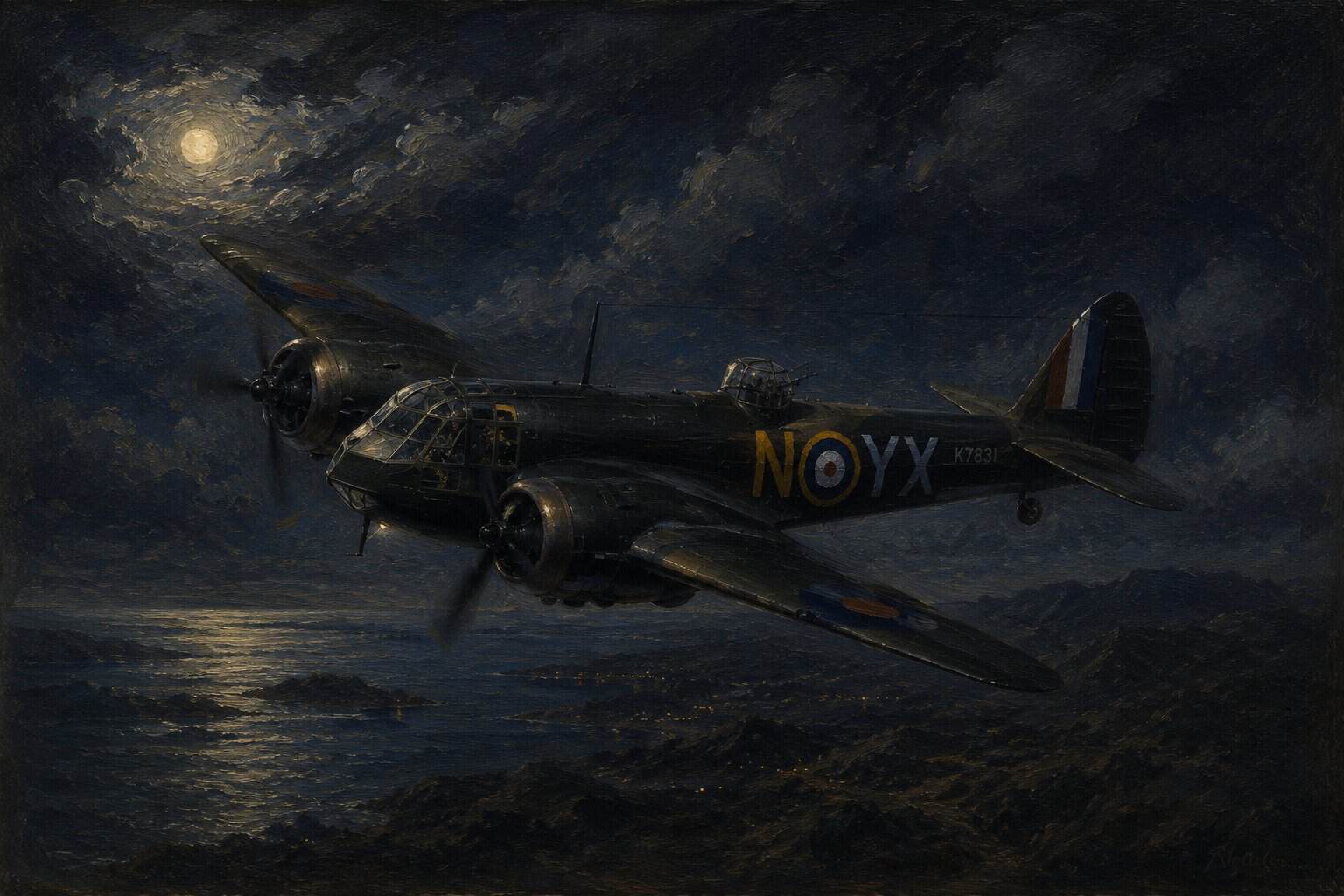
On 6 October 1940, the Battle of Britain had entered its final phase. After weeks of heavy daylight attacks against RAF airfields, radar stations and fighter sectors, the Luftwaffe was increasingly turning to night bombing. The change did not mean the fighting was over, nor that daylight combat vanished at once. It did, however, mark the point at which Germany's attempt to destroy Fighter Command in open daylight had failed to bring the decisive result it wanted.
From Daylight Assault to the Blitz
Through August and September 1940, the Luftwaffe had tried to win control of the air over southern England. Fighter Command endured serious strain, but it survived. Its sector system remained in being, aircraft production continued, damaged airfields were repaired, and new pilots kept arriving in squadrons despite heavy losses. By early October, German raids were still dangerous, but their original strategic purpose was slipping out of reach.
The growing emphasis on night attack reflected that reality. London had already come under sustained bombing, and other urban targets were increasingly threatened. Instead of forcing a decisive collapse in the RAF's day defence system, the air offensive was changing into the wider Blitz. The object was no longer simply to clear the skies for an invasion threat, but to batter Britain by night and weaken morale, industry and communications.
What the Shift Meant for the RAF
For Fighter Command, the change brought both relief and a new problem. Daylight raids had imposed exhausting demands on pilots, ground crews and command networks. Fewer large-scale daylight battles gave squadrons more space to recover, rotate aircraft and absorb replacements. That breathing room mattered. It helped confirm that the RAF had denied the Luftwaffe the air superiority it needed over south-east England.
Yet the danger did not disappear. Night bombing exposed the limits of Britain's air defence in darkness. Radar warning still helped, but intercepting raiders after dark was far harder than meeting them in daylight. Anti-aircraft guns, searchlights, civil defence services and improvised night-fighter arrangements all became more important as the character of the campaign changed. The burden of the war in the air was beginning to shift away from the classic daylight dogfight and towards the long ordeal of bombing cities after dark.
A Battle Changing Shape
That is why 6 October 1940 matters. The Battle of Britain was not a campaign with a single neat finish line, and historians have long debated where its closing phase truly begins. Even so, by this point, the pattern was clear: Germany had failed to break Fighter Command, and the campaign was moving into a different form of air war.
The final phase of the battle therefore signalled more than a calendar milestone. It marked the moment when British survival in daylight had altered the course of the campaign. The Luftwaffe could still inflict damage, but it was no longer forcing the decisive showdown it had sought over RAF fighters and airfields. From this transition came one of the central outcomes of 1940: Britain remained in the fight, while the air offensive turned instead into the destructive but strategically different struggle of the Blitz.