RAF Bomber Command was one of the central operational commands of the Royal Air Force in the Second World War. Before the war, it existed as one of the service’s major commands, but between 1939 and 1945 it grew into the principal force through which Britain could strike directly at Germany and occupied Europe over long range. Its history is inseparable from industrial expansion, heavy losses, strategic debate and the moral controversy that still surrounds the bombing campaign.
Any serious assessment of Bomber Command has to balance several different realities at once. It became a vast wartime organisation operating a sustained offensive against enemy industry, transport and urban centres. It also suffered some of the heaviest casualty rates of any British service branch. At the same time, its effectiveness and ethical meaning have remained fiercely debated, especially in relation to area bombing and civilian casualties. Bomber Command occupies a complicated but indispensable place in RAF history.
Formation and early wartime role
Bomber Command entered the war with aircraft and doctrine still shaped by inter-war assumptions. Britain retained faith in the strategic value of long-range bombing, but in 1939 and 1940, the command was not yet the heavy-bomber force it would later become. Early operations were carried out with medium bombers and were constrained by limited range, poor navigation, restricted bomb loads and strong German defences.
The command’s initial wartime effort included leaflet drops, attacks on naval targets and a gradual expansion into bombing operations against industrial and military objectives. Experience quickly showed how dangerous daylight operations could be. Heavy losses and operational limitations increasingly pushed the command towards night bombing, which reduced exposure to enemy fighters but introduced major problems with navigation and accuracy.
Expansion into a heavy-bomber force
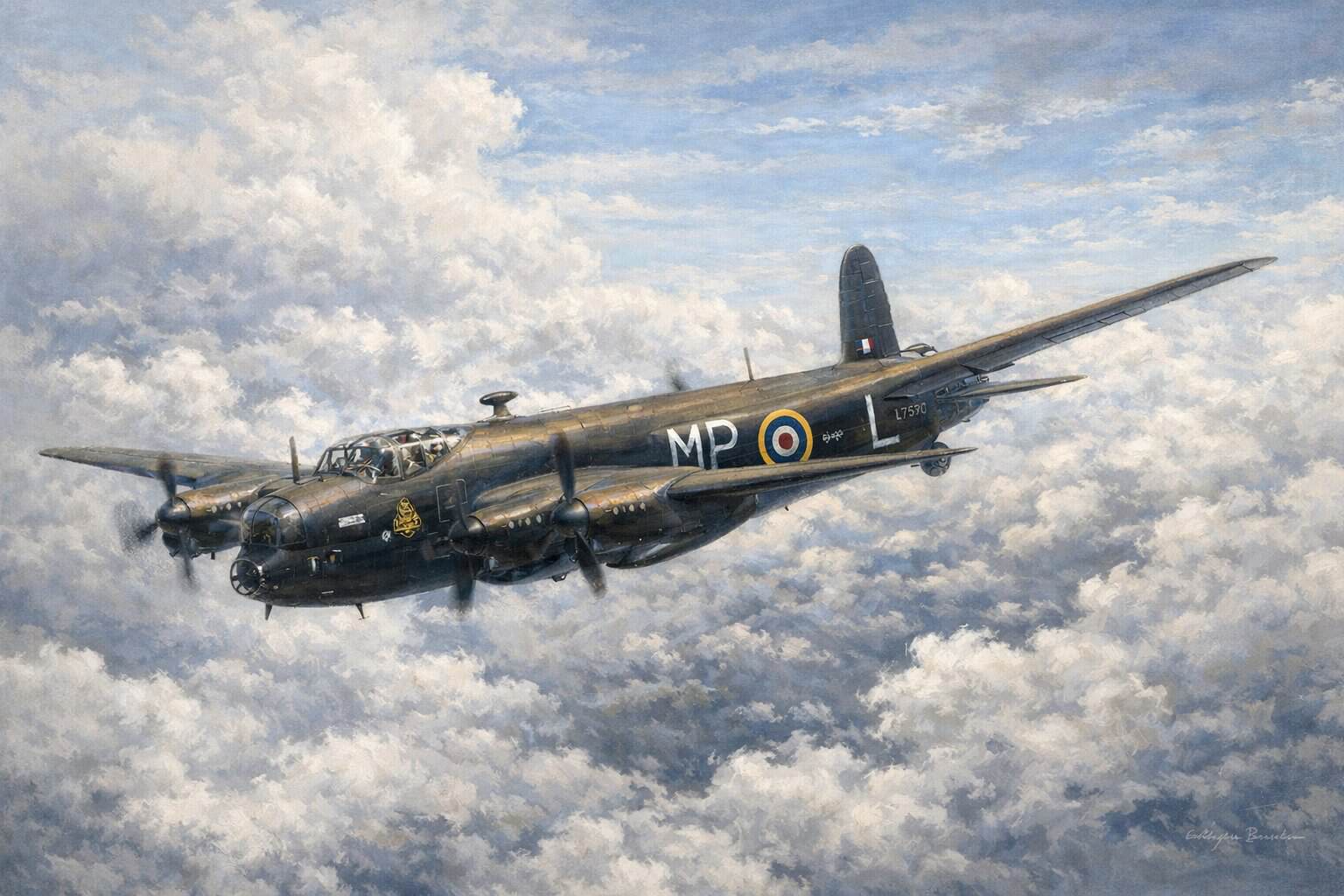
From 1941 onwards, Bomber Command was transformed in scale and capability. Industrial production, new aircraft and improved organisation allowed it to grow from a comparatively limited striking arm into a large heavy-bomber force. Aircraft such as the Avro Lancaster and Handley Page Halifax gave the command greater range, larger bomb loads and more operational flexibility than had previously been possible.
This expansion was part of a much wider wartime effort involving aircrew training, aircraft production, airfield construction and a supporting network of maintenance, intelligence and navigation services. Bomber Command’s growth reflected not only operational ambition, but Britain’s ability to mobilise industrial and human resources on a very large scale.
By 1942, the command was capable of mounting attacks of unprecedented weight. The thousand-bomber raid on Cologne demonstrated what concentration of force might achieve, even if the practical results of such raids remained difficult to measure with precision. It also reflected a larger shift in British strategy. With a land offensive in Western Europe still impossible, bombing offered one of the few direct means by which Britain could carry the war into the heart of the Third Reich.
Harris and the area-bombing offensive
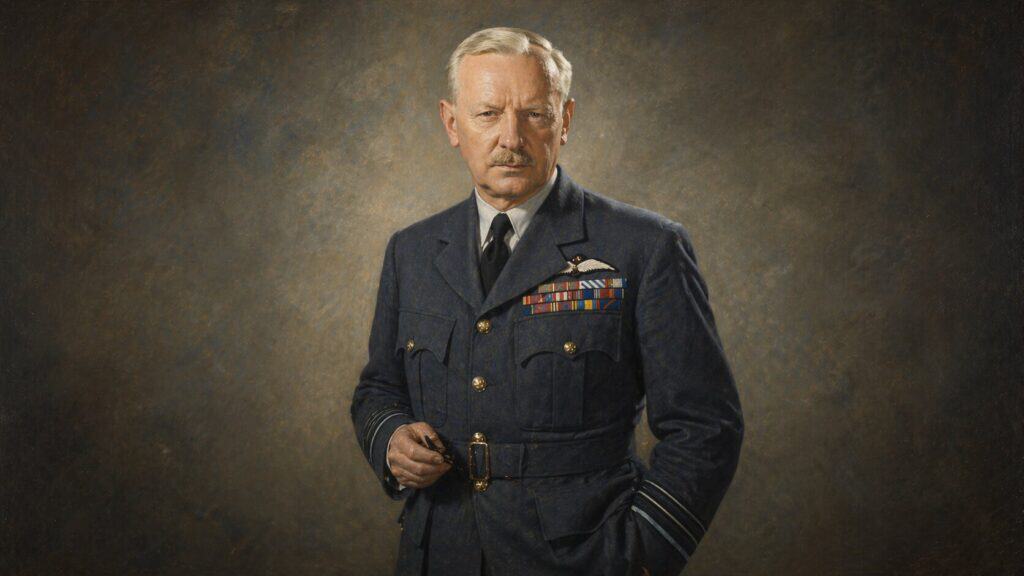
The most closely associated figure in Bomber Command history is Arthur Harris, who became Commander-in-Chief in 1942. Under Harris, the command pursued a broad offensive against German industrial cities, transport systems and the wider war economy. He believed sustained bombing could undermine production, weaken morale and make a decisive contribution to victory.
In practice, this often meant area bombing of urban and industrial districts rather than precision attacks on single-point targets. Night conditions, technical limitations and the scale of the effort made strict precision extremely difficult. Raids such as Operation Gomorrah against Hamburg illustrated both the destructive power of the command and the wider human consequences of its methods.
The bombing campaign has therefore remained historically contentious. Defenders argue that Bomber Command tied down German resources, disrupted war production and formed an essential part of the broader Allied offensive. Critics point to the scale of civilian death and the gap between declared precision and actual results. Both arguments remain central to any balanced interpretation.
Technology, tactics and specialist support
Bomber Command did not remain static. It developed through improved aircraft, better navigation systems and more specialised methods. Electronic aids, radar and radio-navigation equipment all contributed to more effective operations over time. The creation of the Pathfinder Force in 1942 was especially important. Pathfinder crews located and marked targets so that the main force could attack with greater concentration, helping to address long-standing accuracy problems.
Operational methods also evolved. Bomber streams, specialist marking, heavy blast bombs and attacks on particular sectors such as transport or oil all reflected the command’s effort to improve effect within the limits of available technology. Operations like Operation Chastise, though exceptional rather than typical, also showed the degree to which Bomber Command could support highly specialised missions when required.
Losses and the human cost
Bomber Command’s achievements cannot be separated from the scale of its losses. The command suffered some of the highest casualty rates in the British armed forces. Long tours over Germany repeatedly exposed crews to night fighters, flak, weather, navigational strain, and mechanical failure. Even by wartime standards, the level of risk was extreme.
The burden fell not only on operational crews, but on the wider training and replacement system needed to sustain the offensive. Attrition shaped morale, command decisions and the rhythm of bomber operations throughout the war. This human cost is one reason why Bomber Command continues to occupy such a powerful place in British memory, even where the campaign itself remains controversial.
Historical significance
RAF Bomber Command mattered because it gave Britain a sustained strategic striking force at a time when few other direct means of attacking Germany existed. It formed one pillar of the wider Allied air offensive and contributed to the cumulative pressure placed on the German state, economy and armed forces. Yet it did so through methods that remain open to serious ethical and historical scrutiny.
Its significance lies not in a simple verdict of either triumph or failure. Bomber Command was a force of great scale, sacrifice and destructive power. It helped carry the war to Germany, imposed heavy strain on the enemy and supported the eventual liberation of Western Europe. Still, it also left a legacy of controversy that cannot be ignored. For RAF history, that combination of operational importance, human cost and moral debate is precisely what makes Bomber Command such a central and enduring subject.