On This Day, 1918: By 30 September 1918, Allied air power was helping breach the Hindenburg Line through reconnaissance, artillery support and…
Read the entry →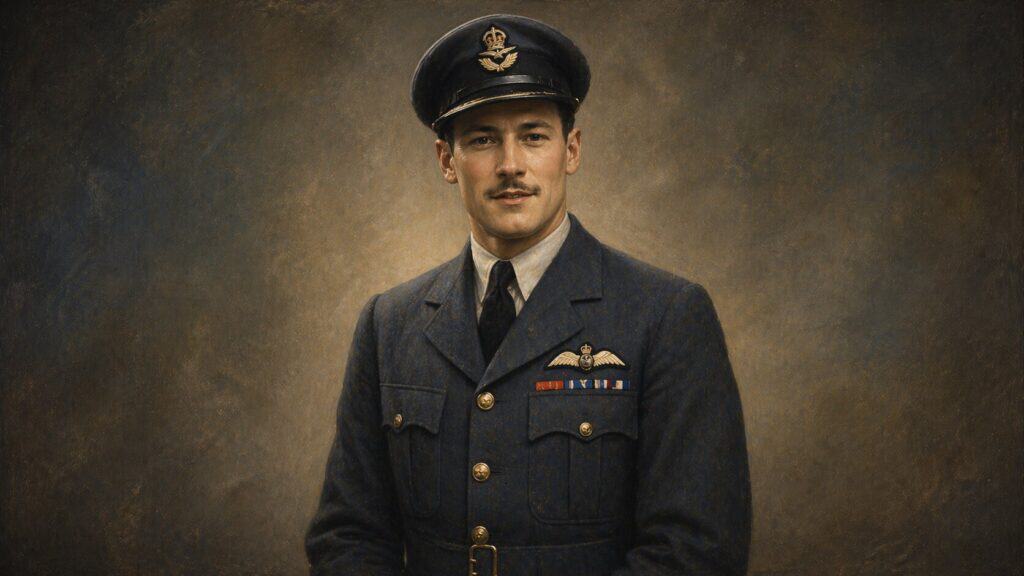
Air Vice-Marshal
Robert Stanford Tuck
Air Vice-Marshal Robert Stanford Tuck was one of the RAF’s best-known fighter aces of the Second World War. Closely associated with the Battle of Britain period, he flew both Spitfire and Hurricane fighters and became a leading public figure in Fighter Command history.
Air Vice-Marshal Robert Stanford Tuck was one of the best-known RAF fighter aces of the Second World War and a representative figure of Fighter Command during the critical early years of the conflict. His reputation was built on repeated combat success, conspicuous gallantry and front-line service at a time when Britain’s air defence struggle carried enormous national importance. In popular memory, he belongs to the generation of fighter leaders whose careers became closely associated with the Battle of Britain and its aftermath.
Tuck’s significance lies in the combination of personal combat achievement and representative value. He is important not only because he was highly decorated, but also because his career helps explain the nature of fighter operations in 1940 and 1941: frequent sorties, high risk, rapid tactical adaptation, and the dependence of national survival on relatively small numbers of skilled pilots.
Early life and entry into the RAF
Robert Stanford Tuck was born in London on 1 July 1916 and joined the Royal Air Force in the mid-1930s. Like many fighter pilots of the Second World War, he entered service before the great wartime expansion, gaining professional training in an RAF still small enough for pre-war standards and habits to matter greatly.
This pre-war background was significant. Pilots who had entered the service before 1939 formed an experienced nucleus within Fighter Command as Britain moved from peace to war. Tuck belonged to that group and therefore entered wartime combat with a level of preparation not available to the emergency-trained pilots who followed later.
Fighter Command and the Battle of Britain period
Tuck came to prominence during the intense air fighting of 1940. Flying both the Supermarine Spitfire and the Hawker Hurricane at different stages of his wartime service, he was part of the front-line fighter effort that defended Britain against the Luftwaffe. His name became associated with the demanding, relentless pattern of sorties characteristic of Fighter Command during that period.
What made pilots such as Tuck historically important was not merely the number of enemy aircraft they claimed, but the operational environment in which they fought. Fighter Command aircrew could be scrambled repeatedly in a single day, often under physical and mental strain, with little certainty about whether the next interception would be their last. Tuck’s decorations reflect repeated courage within that context rather than a single isolated exploit.
Combat reputation and leadership
Tuck’s combat success and leadership made him one of the more recognisable RAF fighter figures of the war. He was heavily decorated, receiving the Distinguished Flying Cross and Bars before the later award of the Distinguished Service Order. These honours reflected sustained operational gallantry, not celebrity alone.
He also illustrates how experienced fighter pilots moved from pure individual combat to broader leadership responsibilities. As the war progressed, the RAF increasingly depended on men who could combine flying skill with command judgment, morale-building and tactical understanding. Tuck belongs within that group of officers whose reputations rested on both fighting ability and front-line authority.
Loss, captivity and later career
In 1942, Tuck was shot down over occupied Europe and became a prisoner of war. That interruption marked a major break in an active fighter career already defined by intense combat. His wartime reputation, however, had already been firmly established.
After the war, he remained associated with the RAF and later reached a senior rank. In memory and historical writing, he continued to stand out as one of the better-known members of the Battle of Britain generation, even though the wider story of Fighter Command naturally includes many less-famous but equally important figures.
Historical significance
Robert Stanford Tuck matters in RAF history because he personifies the experienced fighter officer of the early war: highly trained, repeatedly engaged in combat and central to the public image of Fighter Command. His career helps illuminate the operational realities of Britain’s air defence in 1940 and the continued fighting that followed.
He is therefore historically valuable not only as a decorated ace but as a lens through which to understand the wider experience of RAF fighter operations in the Battle of Britain era. His story remains part of the essential human dimension of Fighter Command history.
| Dates | Role | Unit | Aircraft |
|---|---|---|---|
| 1935–1939 | RAF officer and pilot training | Royal Air Force | |
| 1940 | Fighter pilot during the Battle of Britain period | Front-line fighter squadrons including No. 92 Squadron and No. 257 Squadron | |
| 1941–1942 | Continued fighter operations and later captivity after being shot down over occupied Europe | ||
| Post-war | Continued RAF service | Later senior rank and public recognition as a wartime fighter ace |
Robert Stanford Tuck is remembered as one of the best-known RAF fighter aces of the Second World War. His reputation rests on front-line fighter operations during the critical period of 1940 and on the wider public image of the RAF fighter pilot in the Battle of Britain era.
His historical significance lies not only in victory claims or decorations, but in the way his career embodies the offensive and defensive air fighting of the early war. He remains an important representative figure in Fighter Command history.
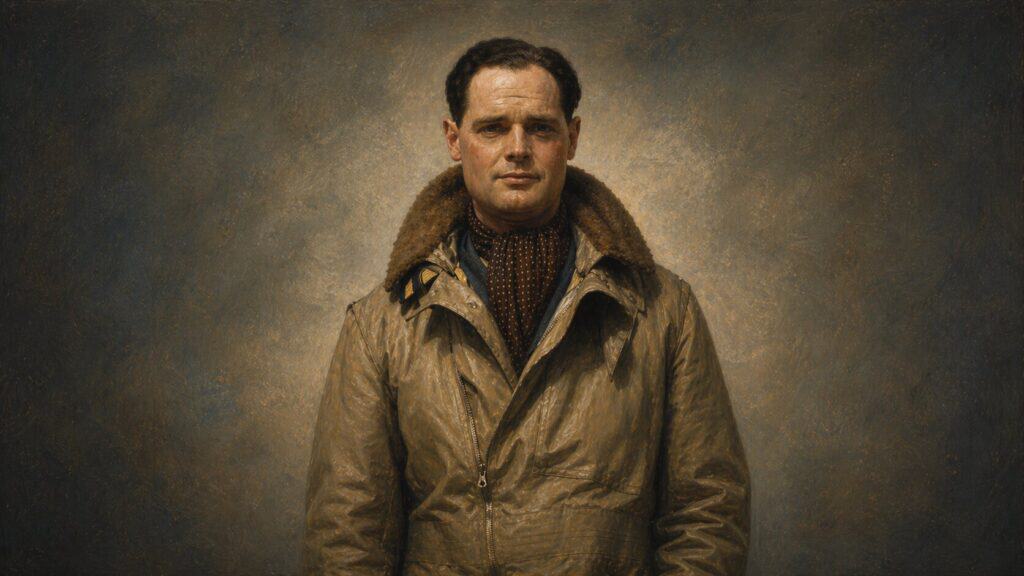
Wing Commander Robert Roland Stanford Tuck Shot Down
On 28 January 1942, Wing Commander R. R. Stanford Tuck was shot down over northern France…
28 January 2026 · 4 minRAF Maritime Defence and Coastal Air Power in Wartime
How the RAF defended Britain’s coasts and convoys through patrol, reconnaissance and anti-shipping air power in…
4 August 2026 · 3 minFirst 4,000-lb Bomb Used by Bomber Command Against Emden
On 31 March 1941, Bomber Command first used the 4,000-pound high-capacity bomb against Emden, marking a…
31 March 2026 · 3 min