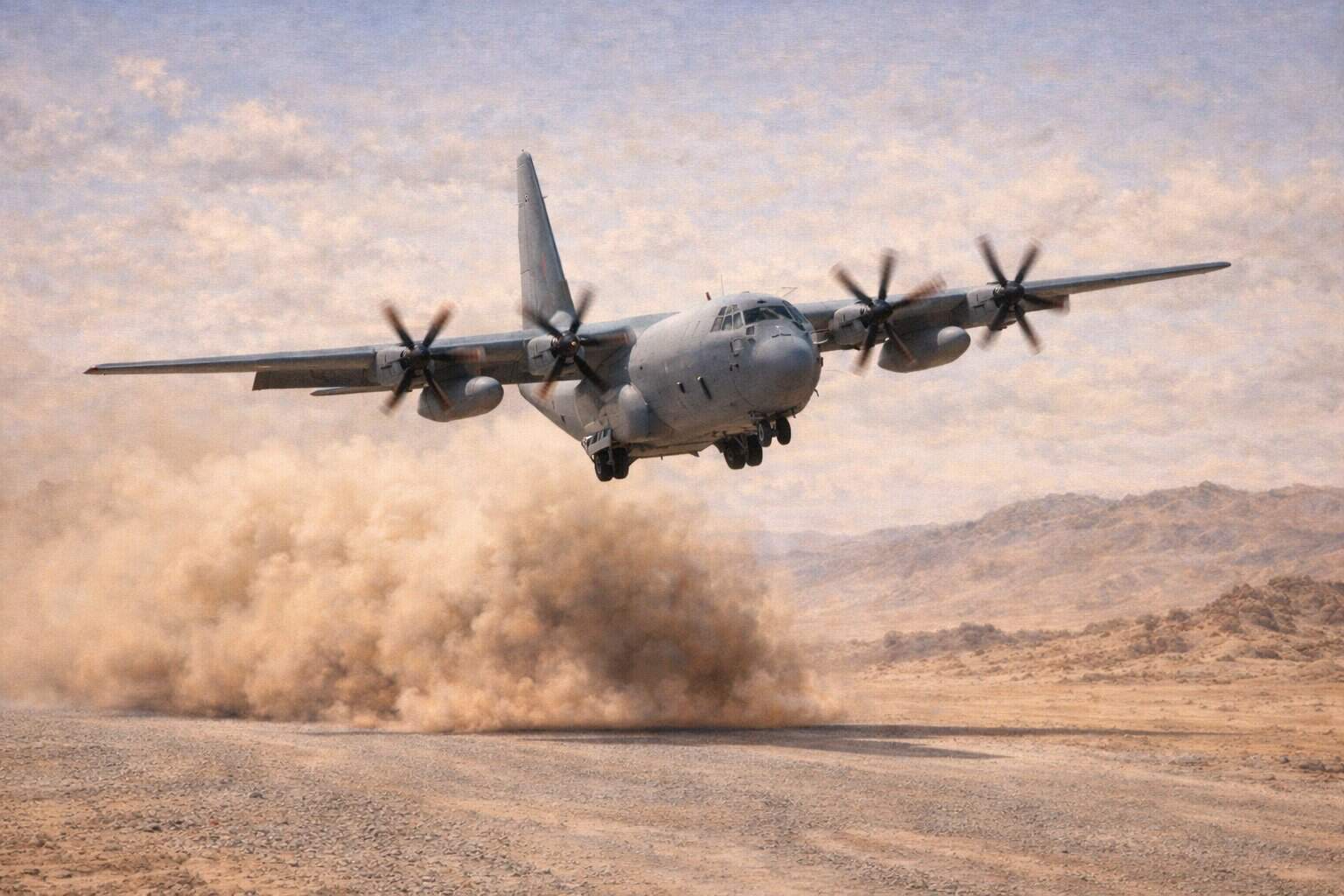
On 21 March 2003, the RAF entered the opening phase of Operation Telic, the British contribution to the Iraq War. The scale of the commitment was substantial. Around 30 per cent of RAF strength was deployed, underlining both the seriousness of the campaign and the central place of air power within it. During the operation, RAF aircraft flew roughly 6 per cent of coalition sorties, released more than 900 weapons, most of them precision guided, and tanker aircraft offloaded 19 million pounds of fuel.
Those figures capture a campaign in which reach, accuracy and support were as important as striking force. The beginning of Telic came at a moment when the RAF had already spent years adapting to expeditionary warfare in the post-Cold War era. Operations over the Balkans, Afghanistan and Iraq had demonstrated that modern air forces were expected not only to fight, but to sustain multinational coalitions, integrate with advanced surveillance systems and deliver carefully controlled effects. Telic drew together all of those requirements.
A campaign of precision and support
One of the most striking features of the RAF contribution was the emphasis on precision weapons. The release of more than 900 munitions, mostly precision guided, reflected a doctrine shaped by technology, law and politics. Air power in the early twenty-first century was expected to be discriminate as well as forceful. The aim was not merely to attack, but to do so with as much accuracy as possible against selected military objectives. Yet Telic was never only about the aircraft that delivered bombs.
Tanker support was fundamental, and the offloading of 19 million pounds of fuel reveals the immense logistical dimension behind combat operations. Air campaigns depend on persistence: aircraft must reach distant operating areas, remain there and return safely, often while working as part of a larger coalition pattern. Tankers make that endurance possible. Their contribution is less visible than that of front-line strike aircraft, but without them the whole air effort would contract sharply in range and tempo.
Coalition warfare in practice
Flying roughly 6 per cent of coalition sorties may sound modest at first glance, but in coalition warfare percentage shares can conceal great significance. What mattered was not simply the number of sorties, but the specific capabilities brought to the campaign and the reliability with which they were delivered. The RAF was one part of a much larger allied force, and success depended on interoperability, planning discipline and the ability to fit national effort into a common operational design.
The fact that nearly a third of RAF strength was deployed also shows the intensity of the undertaking for the Service itself. Such a commitment affects personnel, maintenance, basing and the wider balance of defence tasks. It reflects not a token presence but a major national effort. Telic therefore belongs in RAF history not only as a combat operation, but as an example of how the Service generated and sustained power for a demanding overseas war.
The significance of 21 March 2003
The opening of Operation Telic marked the start of one of the RAF’s most important operations of the early twenty-first century. It combined precision strike, air-to-air refuelling and coalition integration on a notable scale. It also showed how far the Service had evolved from the mass bombing campaigns of earlier generations into a force built around technology, flexibility and joint operations.
21 March is a date that speaks to both continuity and change. The RAF was still doing what it had always been created to do: apply air power in support of national policy. But it was doing so in a distinctly modern form, where precision, endurance and coalition cooperation defined the character of the campaign.