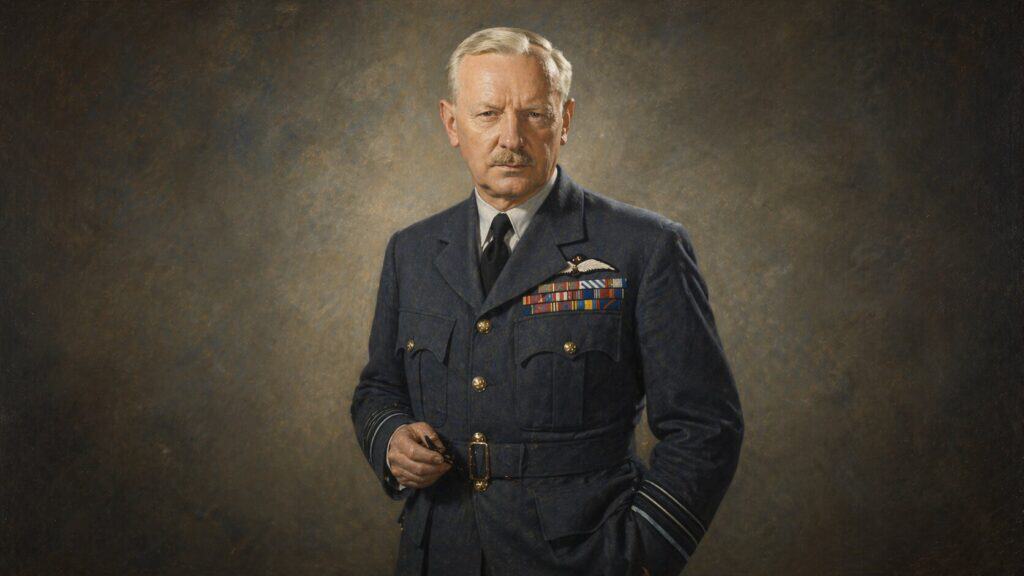
The RAF Pathfinder Force changed the organisation of Bomber Command‘s night attacks by giving the Main Force a shared aiming reference over the target. Following its formation in August 1942, specialist crews increasingly combined target finding, marking and the maintenance of markers with the movement of the larger bomber force. Under Donald Bennett, the force became No. 8 Group in January 1943.
The broader evolution of RAF target marking provided the technical foundation. Its operational value lay in bringing hundreds of separately flown aircraft towards an intended aiming area within a planned period. For the Main Force, effective marking changed the final approach from an individual search into participation in a coordinated attack. The accuracy, visibility and continuity of the markers then became critical to the result.
A Common Aim For The Main Force
Night bombing placed a heavy burden on each aircraft’s navigation and target identification. Reaching the vicinity of a city was only one stage. Crews still had to identify the intended aiming area through darkness, cloud, haze or smoke while exposed to German defences. A large force could reach the same region yet disperse its bombs across widely separated points.
Pathfinder target indicators provided a common reference that following bomb aimers could recognise. Coloured markers made the specialists’ estimate of the target position usable by aircraft whose crews had neither the same equipment nor the same opportunity to identify the ground. The Main Force still required accurate navigation, disciplined approaches and correct bomb release. Marking concentrated the demanding task of establishing the aiming point in aircraft assigned specifically to it.
This division of work also made errors collective. A misplaced indicator could attract the bombs of many following aircraft. Successful concentration therefore depended on both the position of the markers and the crews’ ability to distinguish the correct ones. A dense bombing pattern and an accurate attack were separate measures of performance.
Timing The Attack
Bomber concentration already formed part of the offensive before the Pathfinder Force existed. Gee navigation equipment had helped Bomber Command concentrate the thousand-bomber attack on Cologne in May 1942. The Pathfinders subsequently gave the bomber stream additional guidance along its route and over the target.
Route markers could help Main Force aircraft maintain concentration on the outward and homeward journeys. Over the target, the marking programme had to serve the whole attack. Early aircraft needed an aiming reference when they arrived; later aircraft needed a reference that remained visible and relevant as bombing produced fires and smoke.
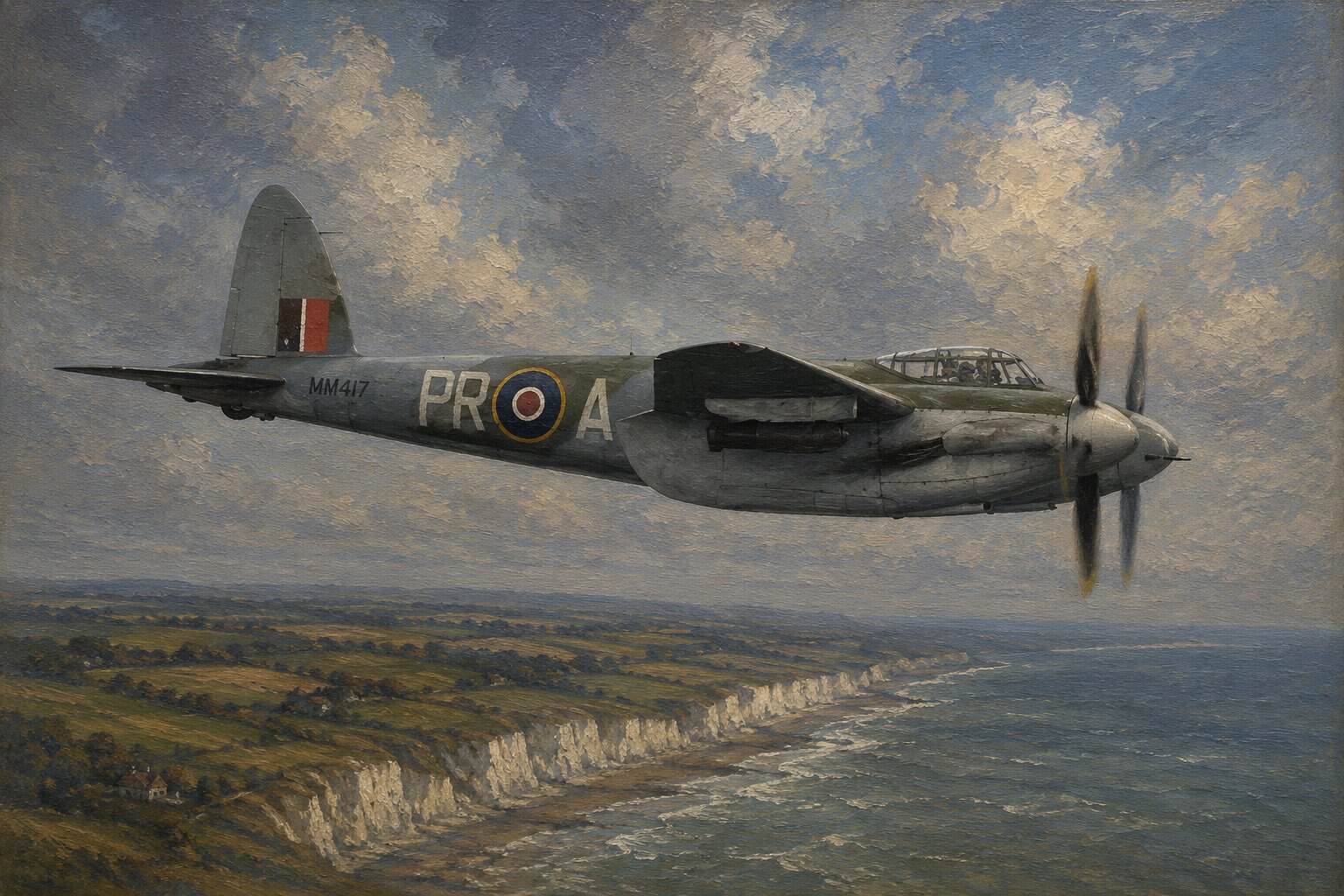
Backers-up helped maintain this continuity by replenishing the marking. In Oboe-directed ground-marking attacks, Mosquitos could lay primary indicators at intervals, with backers-up sustaining the display for the following bombers. The relationship between marking and arrival times was consequently central to raid planning. A successful initial mark had to be supported through the period in which the Main Force delivered its loads.
Concentration also had a defensive purpose, limiting the opportunities available to the enemy against a prolonged succession of scattered aircraft. German night fighters adapted their methods, including following the bomber stream and directing further fighters towards it. Marking operated within this continuing contest between raid organisation and air defence.
Navigation Equipment And The Bomb Aimer
Oboe and H2S offered different means of establishing a target’s position. Oboe used ground stations in Britain to guide an aircraft towards the release point. Its range and control capacity imposed limits, making a small number of specialist marking aircraft especially valuable. The Main Force could then bomb their indicators, extending the operational benefit of the equipment across a much larger force.
Oboe became particularly important during the Ruhr offensive of 1943. The attack on Essen on 5/6 March demonstrated the value of electronically assisted marking in a region where haze and industrial smoke made visual identification difficult. The gain for the following bombers was an aiming reference established through controlled electronic guidance.
H2S provided an airborne radar picture without dependence on ground stations in Britain. Its interpretation required considerable skill, and accuracy varied with the ground features and conditions. For the Main Force, this distinction was operationally important: a radar-derived marker carried the uncertainties of the equipment and its operator into the subsequent bombing pattern.
Marking procedures were adapted accordingly. Visual ground marking could follow illumination by flares when the aiming point could be identified. Electronic ground marking offered another method when haze or smoke obscured it. With complete cloud cover, sky markers above the cloud supplied a reference for aircraft making a prescribed approach. Each method imposed particular instructions on the following bombers. Equipment, visibility and the selected procedure together determined how the Main Force was expected to attack.
Controlling The Aiming Point
As procedures developed, Master Bombers added airborne direction to the marking system. Their role included identifying the most accurately placed indicators and directing the attack towards them. This gave the following crews guidance about which part of a potentially confused marker display should govern their bombing.
Such control also helped address creep-back, the tendency for bombing to move back along the direction of approach as a raid developed. Smoke, fires and accumulating bomb bursts could obscure the original aiming area. Fresh marking and direction were therefore means of maintaining the intended focus as conditions changed beneath the aircraft.
These techniques developed over time and were applied according to the operation. They depended on crews interpreting instructions and markers correctly, while navigation error, weather, decoys and German opposition continued to complicate target identification. Airborne control added a means of correcting the attack while it was under way; its effectiveness remained tied to the information available over the target.
Specialist Crews And Sustained Operations
Pathfinder duties placed particular demands on navigation, judgement and cooperation within the crew. The original organisation envisaged approximately two-thirds of its aircrews coming from volunteers in operational squadrons, with about one-third selected from volunteers among the best pupils leaving Operational Training Units. The arrangement combined operational experience with selected new crews and gave the force a continuing requirement for recruitment, training and replacement.
Its conditions of service reflected that commitment. A Pathfinder tour was set at 45 operations, with normal leave arrangements, after an initial requirement of 60 had been reconsidered. The Pathfinder badge was awarded provisionally after the required standard had been reached and usually became permanent on completion of a tour. These arrangements connected specialist status with demonstrated performance and prolonged operational exposure.
For Bomber Command, the principal change was in the relationship between the marking aircraft and the Main Force. Specialist crews established and maintained an aiming reference; the larger force delivered its bombs against that reference within the raid plan. The results depended on the whole sequence holding together. Navigation, timely arrival, reliable marking, corrective direction and disciplined bombing each contributed to the concentration achieved over the intended area.