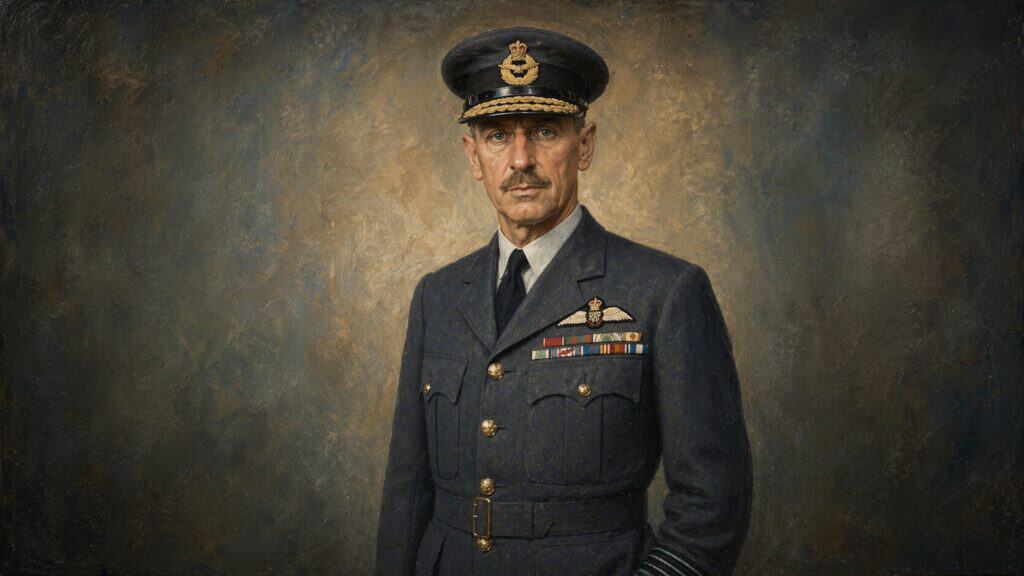
The Dowding System was the RAF’s integrated method of air defence before and during the Battle of Britain. Its importance did not rest on any single invention. Rather, it lay in the way radar, reporting, filtering, command and squadron control were connected into one working structure. That structure gave Fighter Command a better chance of using limited resources efficiently against repeated attack.
Background
Air defence in 1940 required more than fast aircraft and brave pilots. Britain needed a system capable of detecting incoming raids, assessing their scale, passing information quickly and directing fighter squadrons to the right place at the right time. Without that chain, even high-quality fighters risked being wasted through delay, confusion or misdirection.
The system associated with Hugh Dowding met this requirement by joining separate elements into an organised command network. Its effectiveness came from coordination rather than from any isolated device.
Detection And Filtering
Radar provided early warning, but raw warning alone was not enough. Information from radar stations and the Observer Corps had to be checked, compared and refined so that commanders were not acting on duplicate, partial or misleading reports. Filter rooms performed this essential task, turning fragmented signals into a more coherent operational picture.
That filtered picture then moved up and across the chain of command. The process reduced uncertainty and helped ensure that decisions were made on the best available understanding of the raid system confronting Britain.
Groups, Sectors And Squadrons
Group headquarters translated information into operational direction. They decided how best to use available fighter strength in their area and passed orders to sector stations, which in turn controlled individual squadrons. Sector control was critical because it connected the large-command picture to actual takeoffs, interceptions, and returns.
This layered arrangement allowed Fighter Command to fight economically. Squadrons could be committed when needed rather than kept permanently airborne at unsustainable cost. Pilots, aircraft and fuel could therefore be used more carefully in a prolonged campaign.
Significance
The Dowding System mattered because it turned air defence into an organised battle of information and control as well as flying skill. In RAF terms, it showed that command structure could be as decisive as aircraft performance. The wider significance of the system lies in the fact that it allowed Britain to absorb pressure, direct resistance and keep Fighter Command functioning as a coherent defensive force during one of the war’s most demanding campaigns.