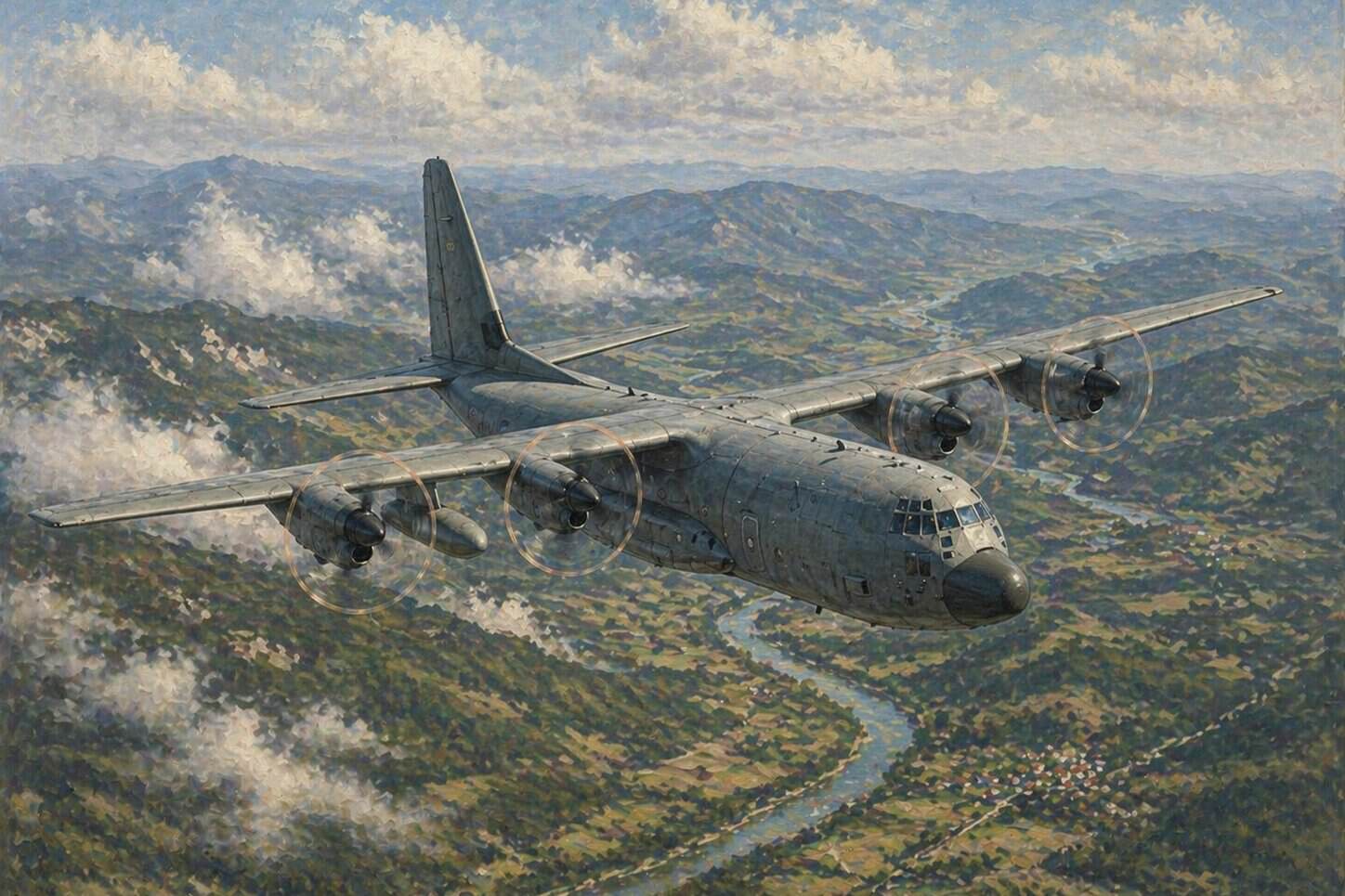
On 3 June 1993, Hercules aircraft of No. 47 Squadron reached a notable milestone in the Bosnia airlift: 600 sorties flown and 19 million pounds of aid delivered. The figures alone convey the scale of the effort, but they only partly explain its importance. This was not a dramatic single strike or a celebrated combat victory. It was a sustained humanitarian air operation conducted in the middle of a dangerous and politically fraught conflict, and it showed how RAF air transport could be used to preserve life as well as to project force.
The Bosnia airlift took place against the background of the wars that followed the breakup of Yugoslavia. Besieged communities, damaged infrastructure and insecure routes made the delivery of relief extremely difficult. Air transport offered one of the few dependable means of bringing food, medical supplies and other essentials into threatened areas. For the RAF, that meant using a proven tactical transport aircraft in a mission where endurance, regularity and professional discipline mattered more than spectacle.
No. 47 Squadron and the Hercules effort
No. 47 Squadron’s role underlined the value of the Hercules in exactly such circumstances. The aircraft was designed for lift, flexibility and operation under demanding conditions, and those qualities translated naturally into airlift work in a conflict zone. Reaching 600 sorties was therefore not simply a matter of counting flights. It reflected the cumulative achievement of crews, engineers, loadmasters and planners who sustained the rhythm of operations over time. Airlift on this scale also depended upon reliability. Each sortie represented a chain of preparation, maintenance, loading, navigation and handling on arrival. Humanitarian operations can be as exacting as combat missions in their own way, especially when aircrews must work within tight diplomatic constraints and under the shadow of possible hostile action. The Bosnia airlift required that steady professionalism day after day.
Results beyond the numbers
Nineteen million pounds of aid delivered is an arresting figure because it points directly to the outcome. The purpose of the mission was not symbolic presence alone, but tangible relief reaching people who needed it. In air-power terms, that is significant. It demonstrates that aircraft can alter events not only by destroying targets, but by sustaining populations and buying time in conditions where surface movement is restricted or unsafe.
The milestone also illustrated a wider post-Cold War RAF role. British air power in the 1990s was increasingly called upon for expeditionary operations shaped by coalition politics, humanitarian need and limited-war realities. Bosnia sat squarely within that pattern. The Hercules force became part of an international response in which delivery, persistence and credibility mattered as much as firepower.
A wider reflection on modern RAF operations
For RAF history, 3 June 1993 deserves attention because it captures a form of air service that can be overshadowed by more obviously martial episodes. The Bosnia airlift demanded courage and skill, but it expressed them through sustained relief flying rather than attack. That, too, is part of the RAF tradition.
No. 47 Squadron’s milestone showed how air mobility could carry strategic and moral weight together. The Bosnia airlift demonstrated that the value of air power is sometimes measured not by the destruction inflicted but by the regular arrival of aid, the endurance of crews, and the continued viability of a mission that had to keep flying.