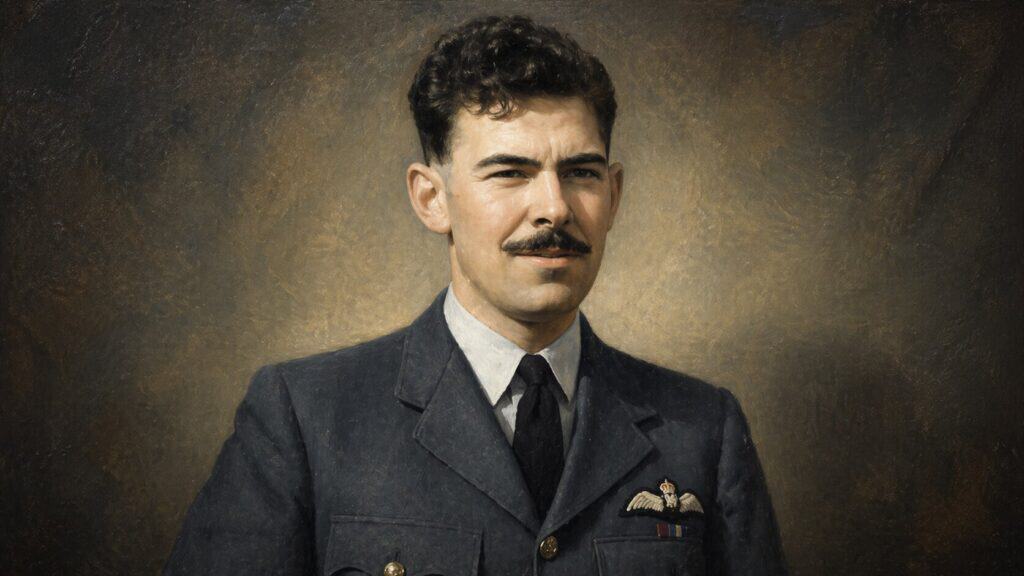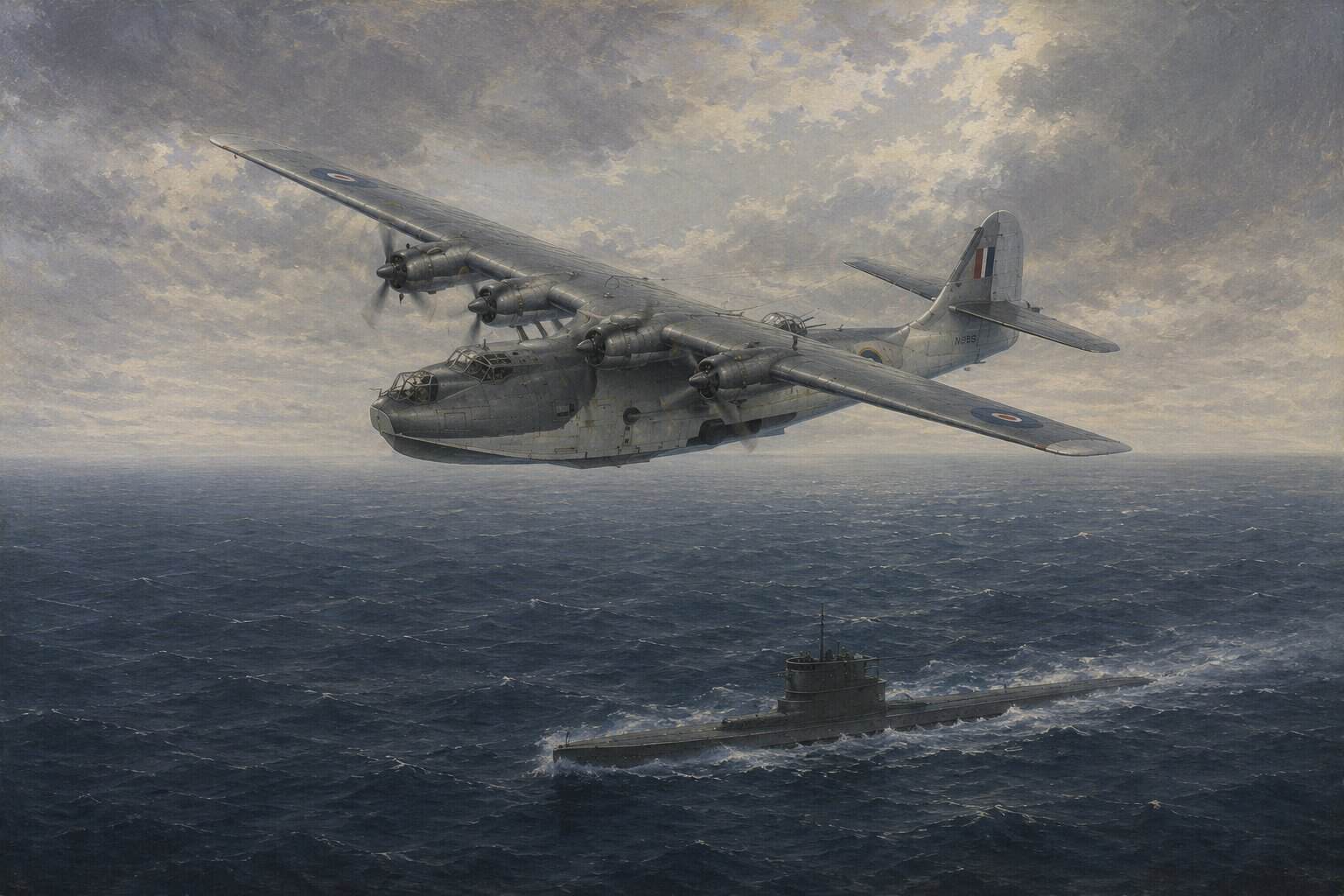
On 17 July 1944, Flight Lieutenant John Alexander Cruickshank of No. 210 Squadron carried out the action for which he was awarded the Victoria Cross, pressing home an attack on the German submarine U-347 while gravely wounded. Flying a Consolidated Catalina on maritime patrol, he remained focused on destroying the target and completing the strike even after suffering serious injury. It was one of the most remarkable individual acts in RAF Coastal Command history.
The attack on U-347
Cruickshank's action took place in the hard, exacting world of anti-submarine war, where success depended on endurance, disciplined searching and immediate aggression once contact was made. A U-boat caught on the surface presented an opportunity, but only for a short time. Delay could allow it to dive, escape or spoil the attack. Crews therefore had to make rapid decisions under pressure, often at low levels and in dangerous conditions. That helps explain the importance of Cruickshank's conduct. Once the Catalina was committed to the attack, the need for concentration was absolute. He continued to direct the action and see it through despite the effects of his wounds. The destruction of U-347 was not an incidental outcome. It was the point of the mission, and he ensured that the opportunity was not lost.
Courage in the middle of the strike
The Victoria Cross is associated not simply with bravery, but with bravery of the highest order in circumstances where duty is carried through at extreme personal cost. Cruickshank's case fits that standard precisely. What stands out is not only that he was badly wounded, but that he refused to let those wounds interrupt the attack before success had been secured. That sort of courage has a particular meaning in air operations. Aircraft crews function as part of a tightly connected system in which one man's incapacity can place the entire mission at risk. To remain effective while wounded is not merely a personal feat; it can preserve the coherence of the whole attack. Cruickshank's determination helped ensure that the strike retained purpose at the decisive moment.
Why the action mattered to Coastal Command
By mid-1944, the Battle of the Atlantic had passed its most desperate phase, but anti-submarine operations still mattered greatly. U-boats remained dangerous to Allied shipping and to the immense seaborne movement that underpinned the liberation of Europe. Coastal Command's long-range patrol aircraft were essential to keeping pressure on them, closing gaps in coverage and turning sightings into kills. The Catalina was particularly well-suited to that demanding role. It combined range, endurance, and the capacity to search broad maritime areas for extended periods. Yet no aircraft, however capable, could succeed without crews willing to press attacks home. Cruickshank's action represented both individual heroism and the wider offensive spirit required in maritime air war.
A lasting place in RAF memory
Cruickshank survived his wounds and his Victoria Cross remains one of the RAF's most celebrated decorations of the war. The event endures because it unites several important strands of RAF history: Coastal Command's often under-appreciated campaign, the deadly contest with the U-boat arm and the extraordinary composure sometimes demanded of aircrew in moments of crisis. 17 July 1944 deserves remembrance not as a romantic anecdote but as a clear example of duty sustained beyond the ordinary limit of endurance. Cruickshank’s attack on U-347 showed what Coastal Command sometimes demanded of its crews: not only endurance in the search, but resolve at the instant of contact. His Victoria Cross endures because the destruction of the submarine was secured under conditions that would have broken most men.