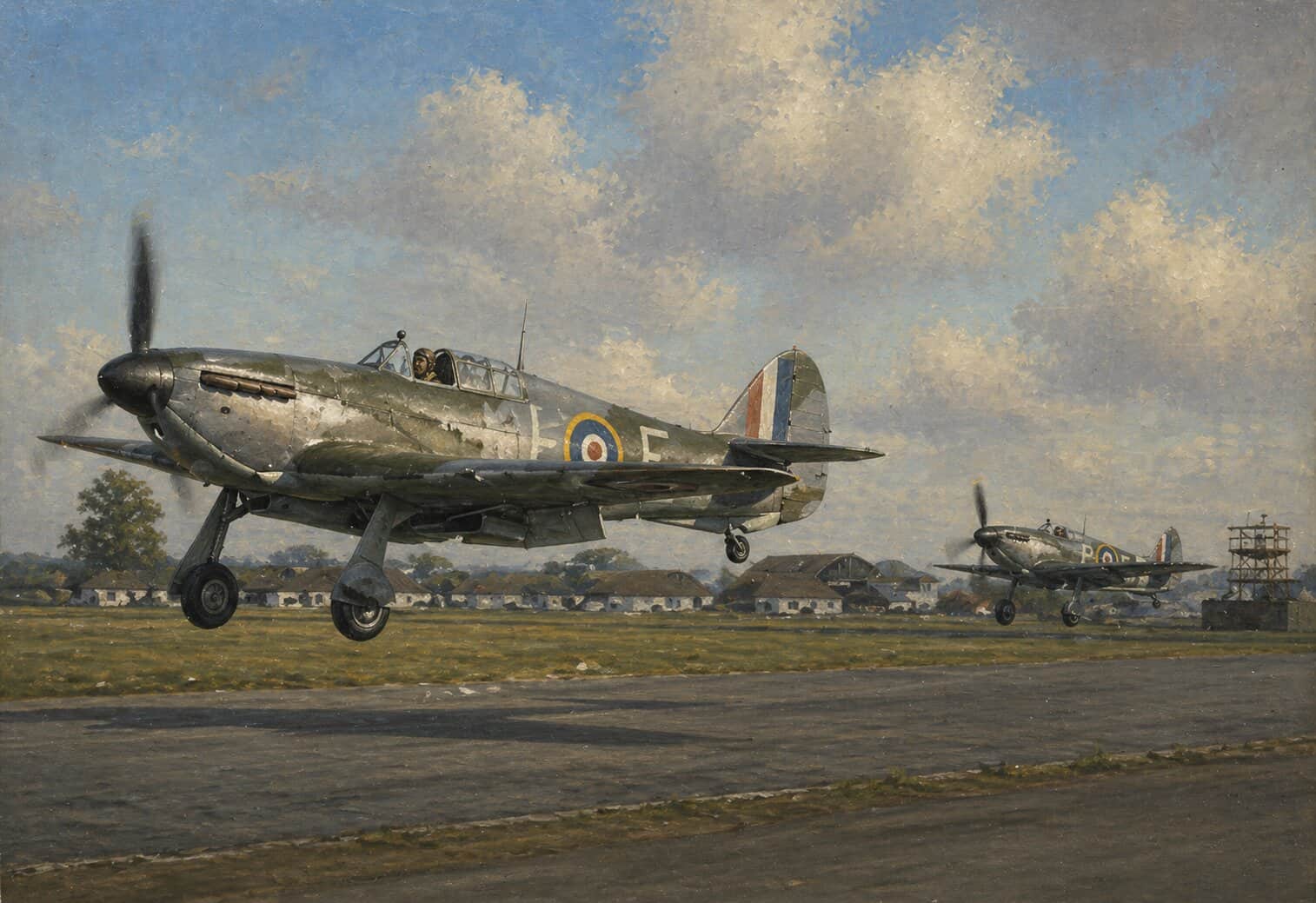
On 19 May 1941, Luftwaffe air superiority forced the evacuation of the remaining RAF aircraft from Crete. The withdrawal marked the end of the RAF’s ability to maintain an effective air presence over the island at the very moment when German airborne and air assault preparations were intensifying.
Crete occupied an important position in the eastern Mediterranean, and its defence was strategically significant for British operations in the region. Yet by May 1941, the RAF was under severe pressure. German control of the air, relentless attack on airfields and limited resources available to the defenders made continued operations from the island increasingly difficult.
The Pressure of Luftwaffe Air Superiority
The problem facing the RAF on Crete was not simply one of numbers, but of sustained pressure. The Luftwaffe had established the freedom to repeatedly strike airfields, aircraft, and support facilities, making it ever harder for the RAF to operate effectively or keep aircraft serviceable.
Under such conditions, the continued presence of a handful of aircraft could not alter the wider balance. Once air superiority had been lost, the remaining RAF element on the island became increasingly vulnerable. Withdrawal was therefore not a sign of indifference to Crete’s defence, but a recognition of operational reality.
This was one of the recurring lessons of the Mediterranean war. Air power could shape events decisively, but only where aircraft, airfields, maintenance and supply could be sustained. On Crete in May 1941, those conditions were rapidly disappearing.
Operational Consequences
The removal of the remaining RAF aircraft had immediate consequences. It left the island more exposed to German air attacks and reduced the Allies’ ability to contest the skies during the critical opening of the Battle of Crete. In practical terms, it meant that any defence of the island would now proceed under enemy control of the air.
That development carried wider significance because it showed how closely the fate of land operations could be tied to air power. Once the RAF could no longer operate effectively from Crete, the defenders lost not only fighter cover and reconnaissance support, but also a vital element of morale and flexibility.
The withdrawal also belongs to the broader sequence of setbacks that followed the Allied retreat from mainland Greece. Crete became the next test in the eastern Mediterranean, and the RAF’s difficulties there reflected the larger strain under which British forces were operating during this phase of the war.
Strategic Legacy
The RAF withdrawal from Crete on 19 May 1941 stands as an important prelude to the battle that followed. It underlined the extent of German air superiority and demonstrated how difficult it was to defend an exposed island without adequate air strength.
Crete showed with unusual clarity that an island defence could not be maintained once air superiority had passed decisively to the enemy. The evacuation of the remaining RAF aircraft foreshadowed the wider battle for the island, in which German air control would shape events on the ground almost immediately.