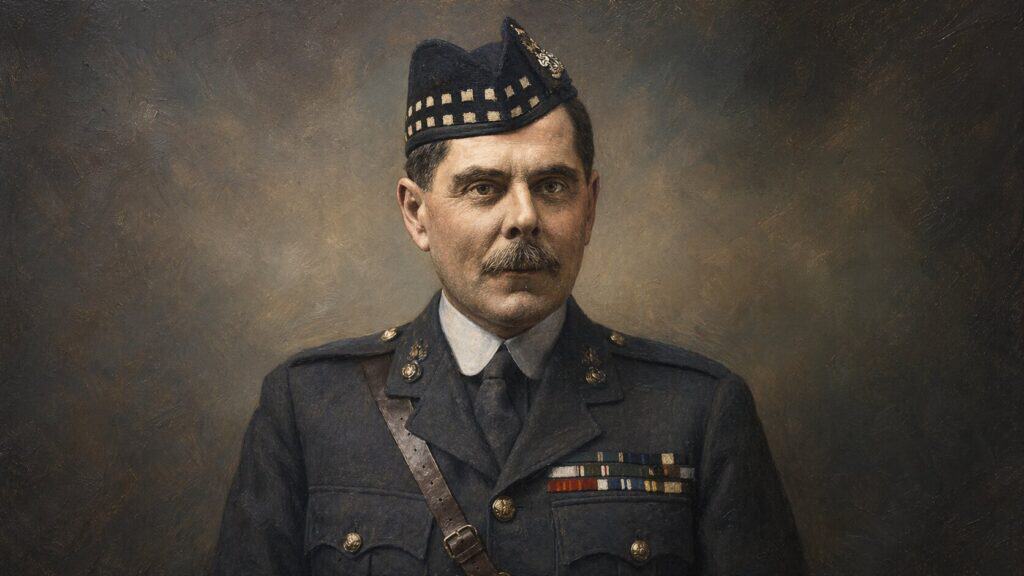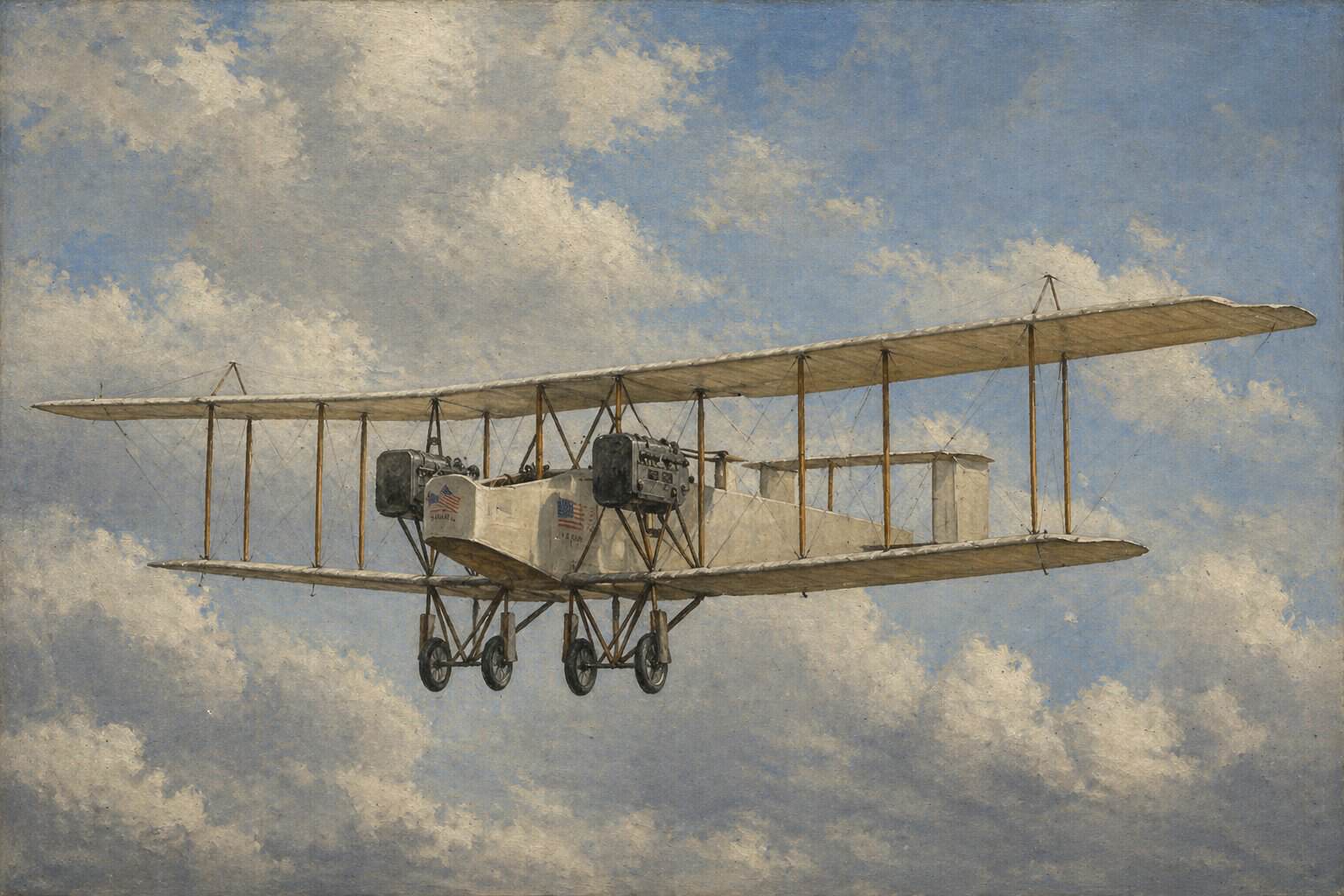
On 13 May 1918, it was announced that an Independent Air Force would be formed under Major General Sir Hugh Trenchard to conduct strategic bombing without reference to Army or Navy commands. The decision was an important moment in the development of British air power during the First World War because it signalled a clearer commitment to the idea that air operations could be directed independently against the enemy’s wider war-making capacity.
The announcement came only weeks after the creation of the Royal Air Force on 1 April 1918. That alone gives it considerable significance. The new service had been established as the world’s first independent air force, yet its long-term character still had to be defined in practice. The proposed Independent Air Force offered one of the clearest early expressions of how British leaders thought air power might be used as a distinct strategic instrument.
Trenchard and the Strategic Role of Air Power
The choice of Hugh Trenchard was central. Already one of the most influential figures in British military aviation, he had become closely associated with the expansion, organisation and offensive spirit of the air arm during the war. To place him in command of the new force reflected confidence not only in his leadership, but also in the broader principle that air attack could be directed beyond immediate battlefield needs.
The wording of the announcement mattered. To state that the force would operate without reference to Army or Navy commands suggested a degree of independence that had major implications for the future of air doctrine. It pointed towards the belief that bombing could serve strategic ends in its own right, striking industrial, communications and military targets beyond the front.
In 1918, those ideas were still evolving. Aircraft capability, navigation, bomb loads and organisation all imposed serious limits on what could actually be achieved. Even so, the decision showed that British planners were prepared to treat air power as something more than an auxiliary arm.
A Step Towards Strategic Bombing Doctrine
The Independent Air Force did not instantly create a modern strategic bomber force in the later sense, and its practical achievements must be understood within the limitations of the period. Yet the announcement remains important because it marked a deliberate institutional step towards independent offensive air operations.
That made it part of a much wider story in RAF history. The concept of strategic bombing would later become deeply associated with the inter-war RAF and with the bomber offensive of the Second World War. In May 1918, however, those later developments still lay in the future. What existed instead was an early statement of intention: the belief that an air force could act directly against the enemy state and military system.
The significance of the moment lies not only in the operations eventually carried out by the force, but also in the way the announcement helped shape the RAF's understanding of itself. It linked the new service with ideas of reach, independence and offensive purpose that would remain influential for decades.
Strategic Consequences
The announcement of the Independent Air Force on 13 May 1918 stands as one of the formative moments in the history of British air doctrine. It reinforced the notion that the Royal Air Force was not merely a support arm for soldiers or sailors, but a service capable of pursuing its own strategic aims.
The new force did not settle the future of bombing doctrine, but it placed offensive air power on a more explicit institutional footing while the war was still being fought. For that reason, 13 May 1918 belongs not simply to administrative history, but to the early formation of ideas the RAF would carry into the inter-war years.