RAF aircraft safety systems exist to preserve crew effectiveness in flight and improve the chances of survival when an operation goes wrong. Protection in service has never depended on a single device. It has been built from cockpit structure, restraint systems, oxygen equipment, warning devices, fire precautions and escape arrangements, all adapted over time to faster aircraft, higher altitudes and more demanding operational environments.
Background
In the RAF's early years, aircrew protection was limited by the state of aviation itself. Open cockpits, low operating altitudes and comparatively simple systems left little room for specialised protection beyond clothing, basic restraint and the structural strength of the aircraft. As aircraft became faster, heavier and more heavily armed, that position changed. Combat experience showed that crew survivability had to be considered as part of design rather than as an afterthought.
Protection was required in two related senses. First, crews needed a workable cockpit environment: secure seating, readable instruments, effective oxygen supply, heating or pressurisation where appropriate, and protection from fire or system failure. Second, they needed some chance of survival if the aircraft itself became uncontrollable or structurally unsafe.
Protective Systems In Service
Armour, protected seating positions and improved cockpit layout all contributed to survival in combat aircraft. At the same time, better harnesses and crashworthy restraints reduced injury during forced landings or abrupt manoeuvres. Fire suppression, fuel shut-off arrangements and warning lights addressed emergencies before they became fatal.
Oxygen systems were equally important. High-altitude flying exposed crews to hypoxia and fatigue, while pressurised aircraft introduced new safety demands of their own. In aircraft such as the English Electric Canberra, the cockpit environment was integral to operational capability and crew welfare, because long, high-altitude missions depended on crews remaining functional throughout the sortie.
Safety also depended on clear information. Warning systems for fire, engine problems, hydraulic failure or cabin conditions allowed crews to react in time. As RAF aircraft became more complex, the cockpit increasingly served as a managed environment in which alerts, checklists and emergency procedures were as important as raw performance.
Escape And Survival
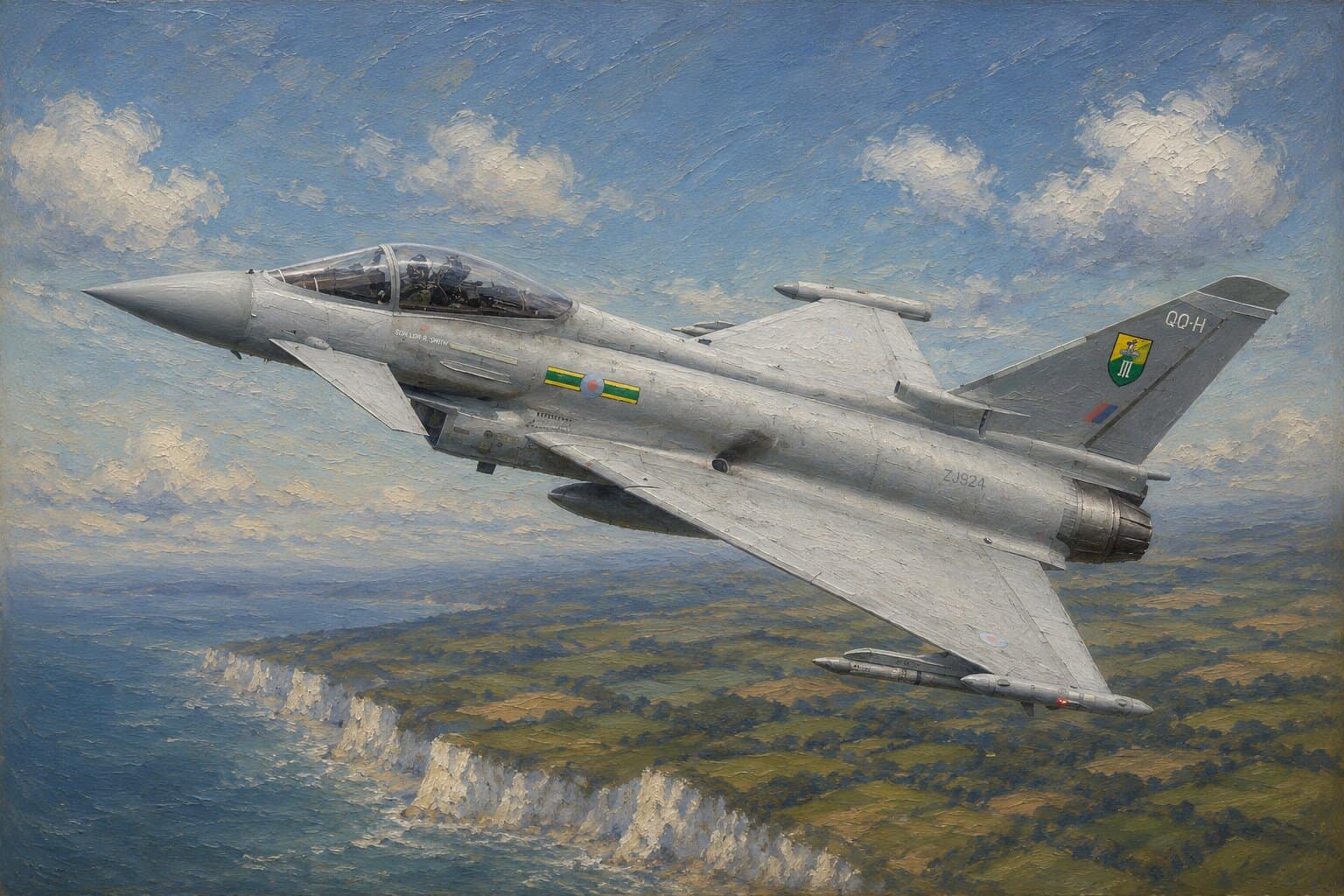
The most visible post-war advance in crew protection was the ejection seat. High-speed jet operations often left no practical alternative to rapid escape, and British developments in this field became central to RAF survivability. Aircraft such as the Gloster Meteor, Panavia Tornado and later the Eurofighter Typhoon belonged to an era in which safe escape had to be designed into the aircraft from the outset.
Escape systems did not remove danger. They introduced their own mechanical and procedural demands, and not every emergency occurred within a survivable envelope. Even so, they transformed the balance between aircraft loss and crew survival. That mattered institutionally as well as humanly, because the RAF could replace machines more readily than trained aircrew.
Survival after escape also became part of the system. Dinghies, locator equipment, survival packs, and improved over-water precautions reflected the reality that many RAF operations took place over the sea, in hostile territory, or in remote terrain. Crew protection extended beyond the cockpit into the period after abandonment or forced landing.
Significance
For the RAF, safety systems were not separate from combat effectiveness. Aircrew who could operate with greater confidence in their oxygen supply, warnings, restraint and escape provisions were better able to fly demanding profiles and sustain performance under pressure. Protection measures also supported force preservation by improving the chances that trained crews would survive emergencies.
Across the piston, jet and modern eras alike, RAF aircraft safety evolved in response to operational need. The result was a steady movement from minimal protection towards integrated crew-survival systems that became an essential part of air power rather than an optional addition.