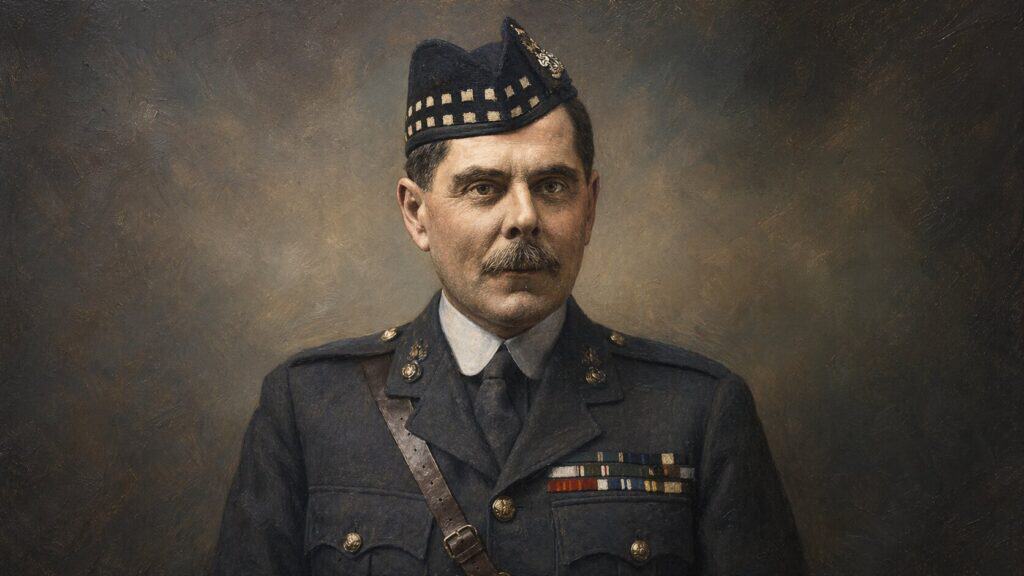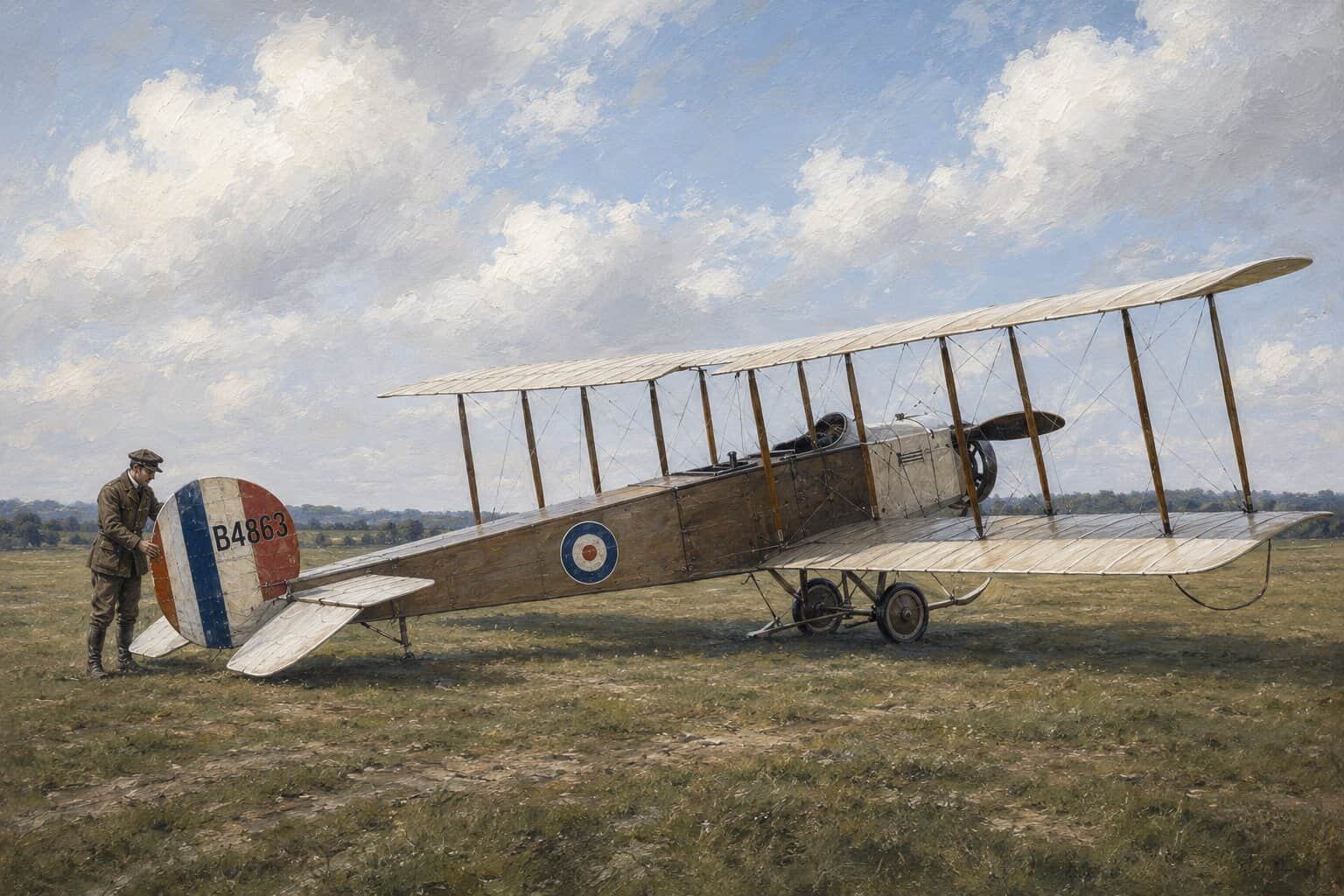
Hugh Trenchard joined the Central Flying School on 13 August 1912 at a moment when British military flying was still new, uncertain and searching for proper direction. The appointment did not carry the drama of a famous battle or a major raid, yet in retrospect, it marked an important stage in the rise of the officer who would become one of the most influential figures in British air power. In the years before the First World War, posts such as this helped define how flying would be taught, led and understood across the service.
A New Posting in a New Profession
The Central Flying School had been created to bring order, consistency and professional standards to military aviation. Flying in 1912 was still a hazardous and relatively immature craft, and the British armed services were only beginning to understand how aircraft might be used in war. A school dedicated to instruction mattered far beyond its immediate training duties. It represented an attempt to turn aviation from novelty into an organised military practice.
Trenchard had qualified as a pilot only shortly before joining the instructional staff. His move to the school placed him inside one of the most important institutions in early British flying. An instructor in such an environment was not merely passing on cockpit technique. He was helping to shape habits of discipline, judgement and confidence in a service that had not yet acquired its later traditions.
Institutional Importance
For Britain, the significance of the Central Flying School lay in standardisation. Aircraft were changing quickly, opportunities were opening faster than doctrine could keep pace, and the military needed officers who could impose seriousness on a field that still carried the air of experiment. Instruction was therefore bound up with leadership. To teach aviation in 1912 was also to help define what military aviation should become.
That helps explain why Trenchard’s posting deserves notice. He was entering a role that demanded practical authority as well as technical competence. The work exposed him to the problems of training, organisation and institutional development that would remain central to his later career. The school stood at the intersection of technology and command, giving ambitious officers room to think about aviation as a system rather than simply as a machine.
From Instructor to Architect of Air Power
The later importance of Hugh Trenchard can make early episodes in his career seem inevitable, but this appointment is better understood as formative rather than prophetic. It did not guarantee his future prominence. What it did provide was experience inside the structures where British military flying was being shaped before the great expansion brought by war.
When the First World War transformed aviation, Britain needed leaders who regarded air power as something more substantial than a supporting curiosity. Trenchard would go on to play a central part in that development, first through the Royal Flying Corps and later in the long argument for an independent air service. His association with the Central Flying School belongs to that earlier chapter, when the habits and assumptions of British air leadership were still being built.
The Importance of Early Foundations
Seen on its own, the posting of 13 August 1912 was modest. Seen in historical perspective, it was one of those quiet professional moments that helped prepare a much larger story. By joining the Central Flying School, Trenchard stepped into the institutional heart of Britain’s early flying effort. The appointment linked one rising officer to the wider professionalisation of military aviation, and it reminds us that the future of air power was shaped not only in combat, but also in classrooms, training fields and the disciplined routines of instruction.